

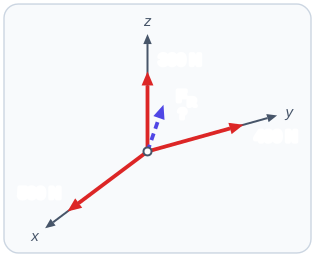
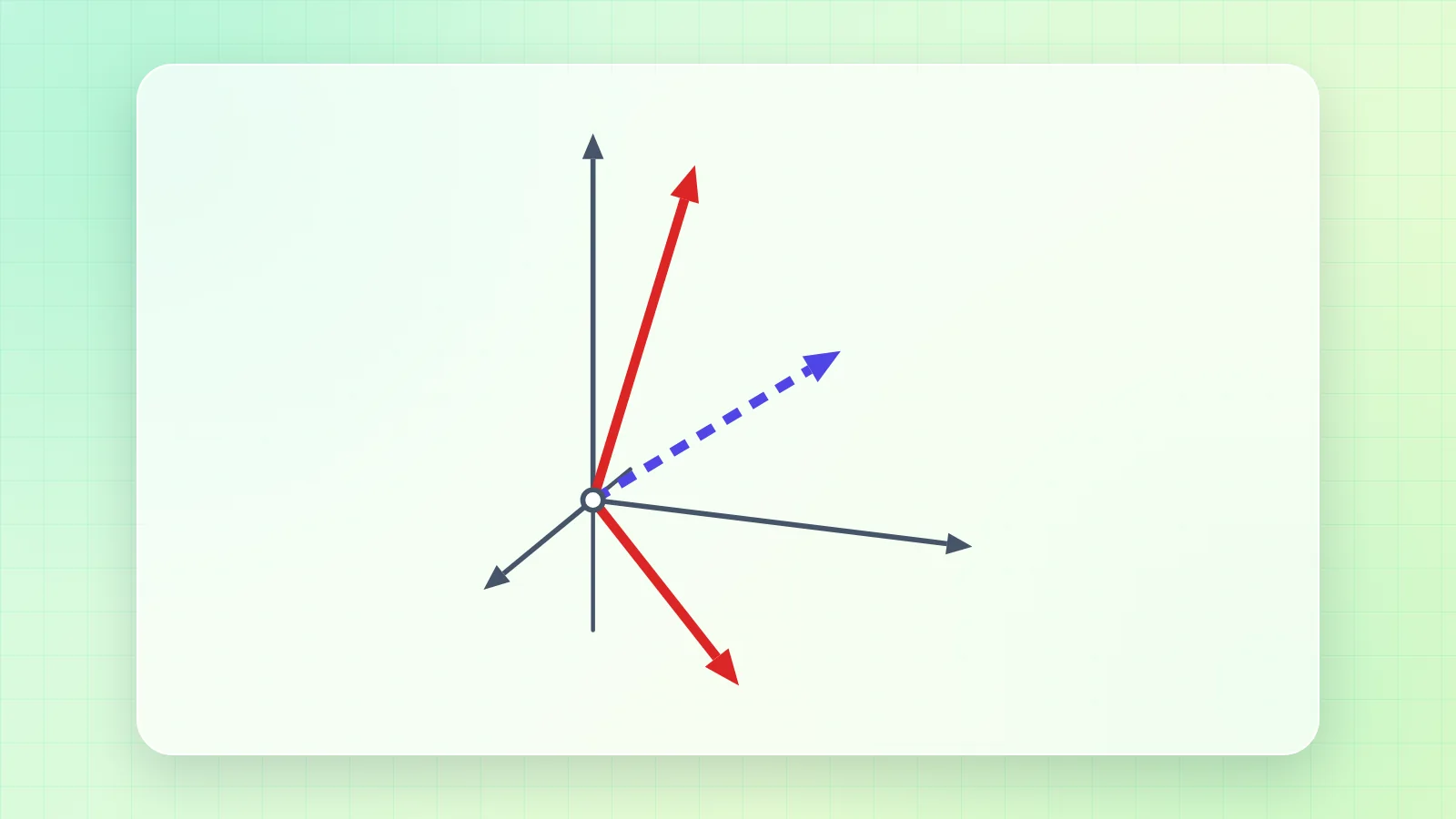
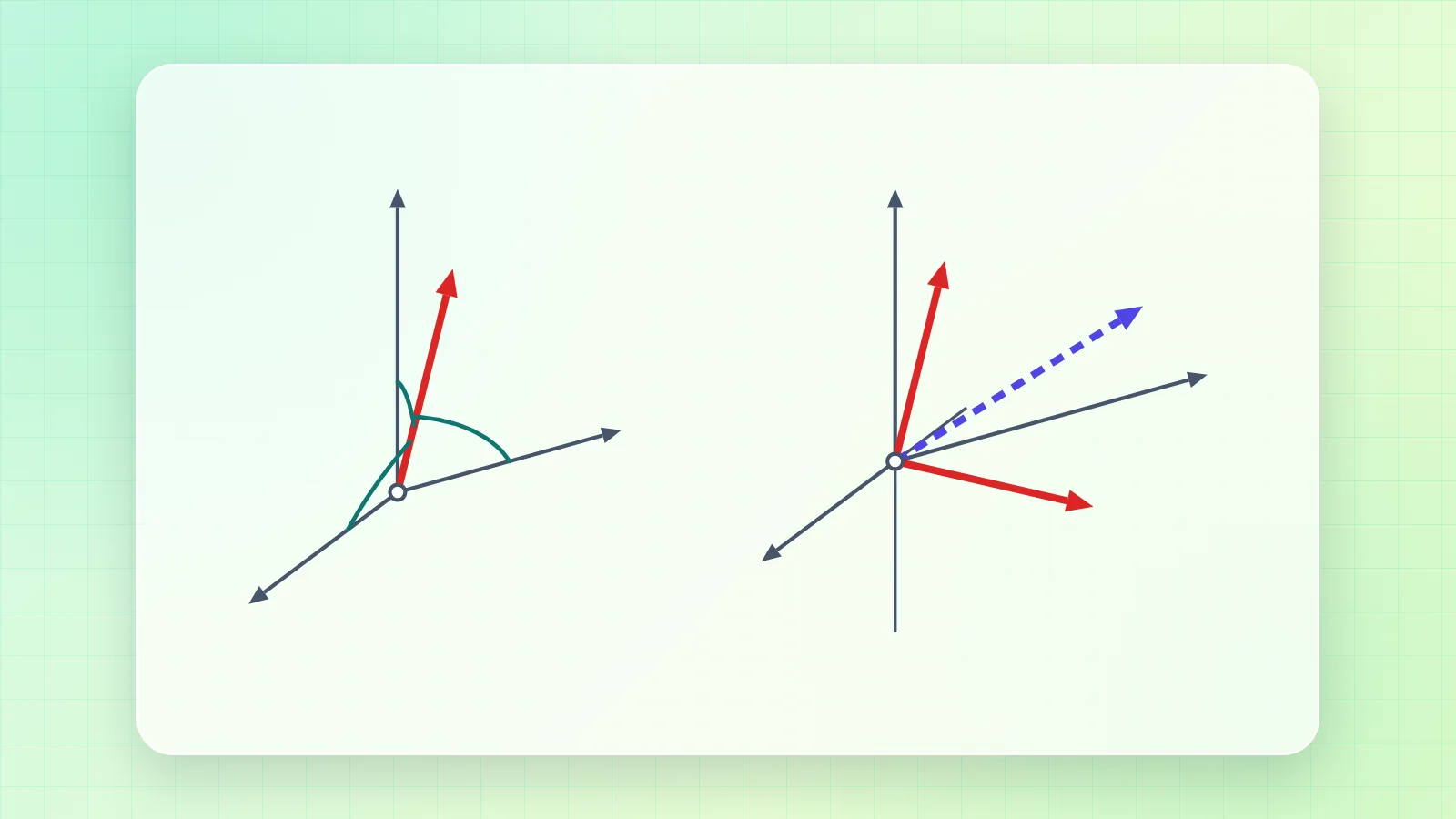
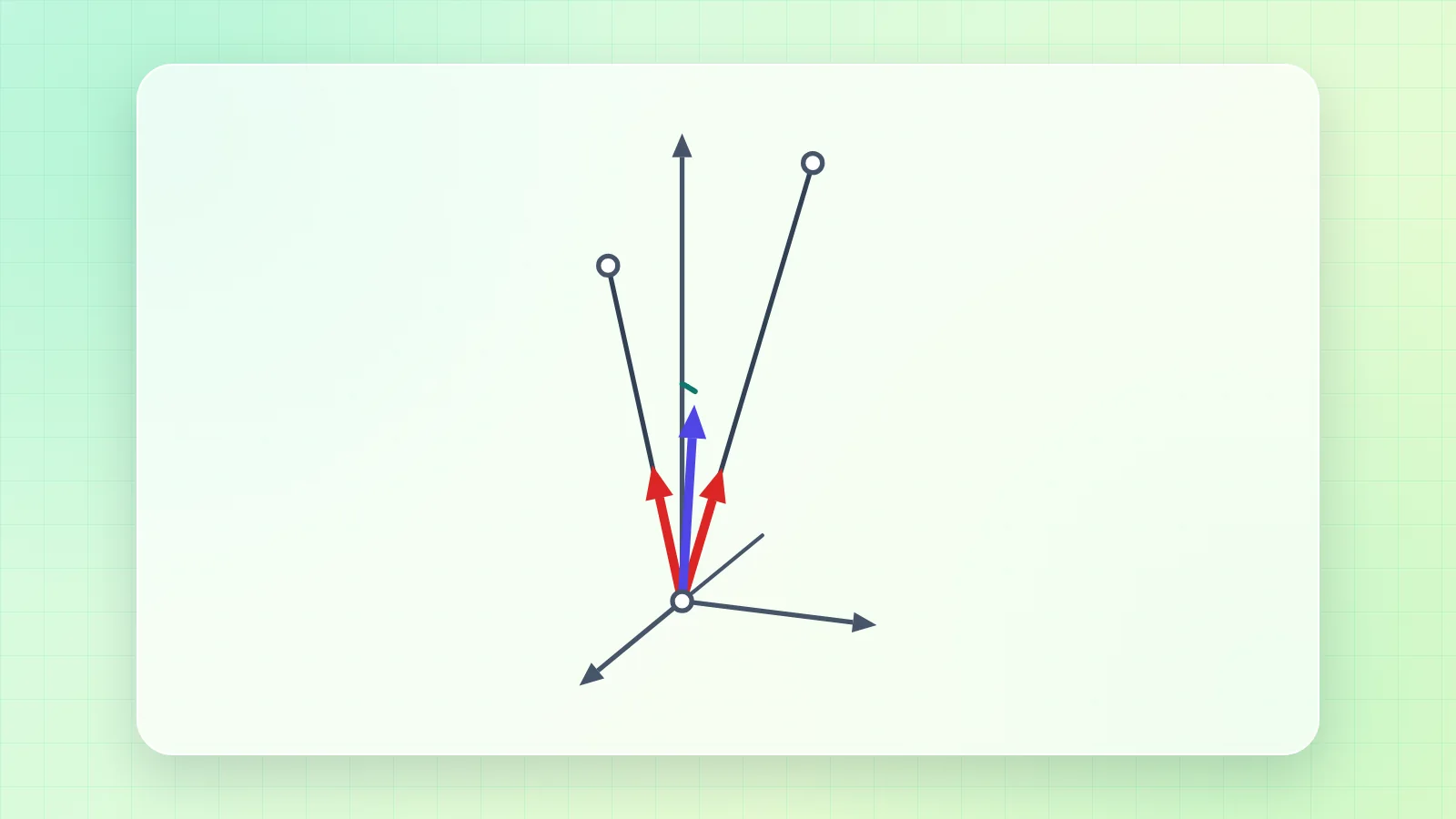
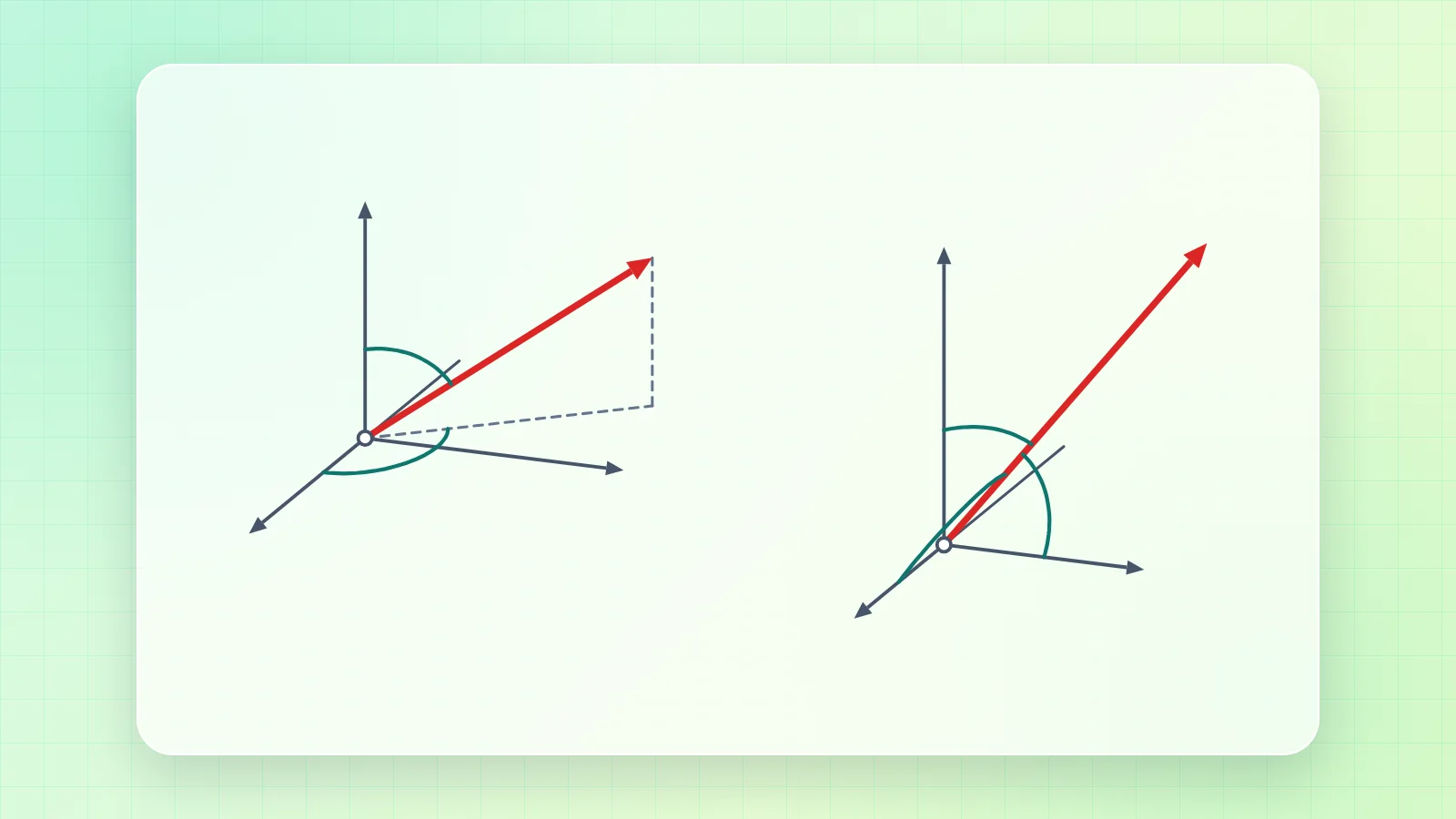
Problem: Three forces act at the origin: 500 N along \(+x\), 400 N along \(+y\) and 300 N along \(+z\). Find the resultant and its direction angles.
Solve the problem, check your answers and follow the solution step by step.
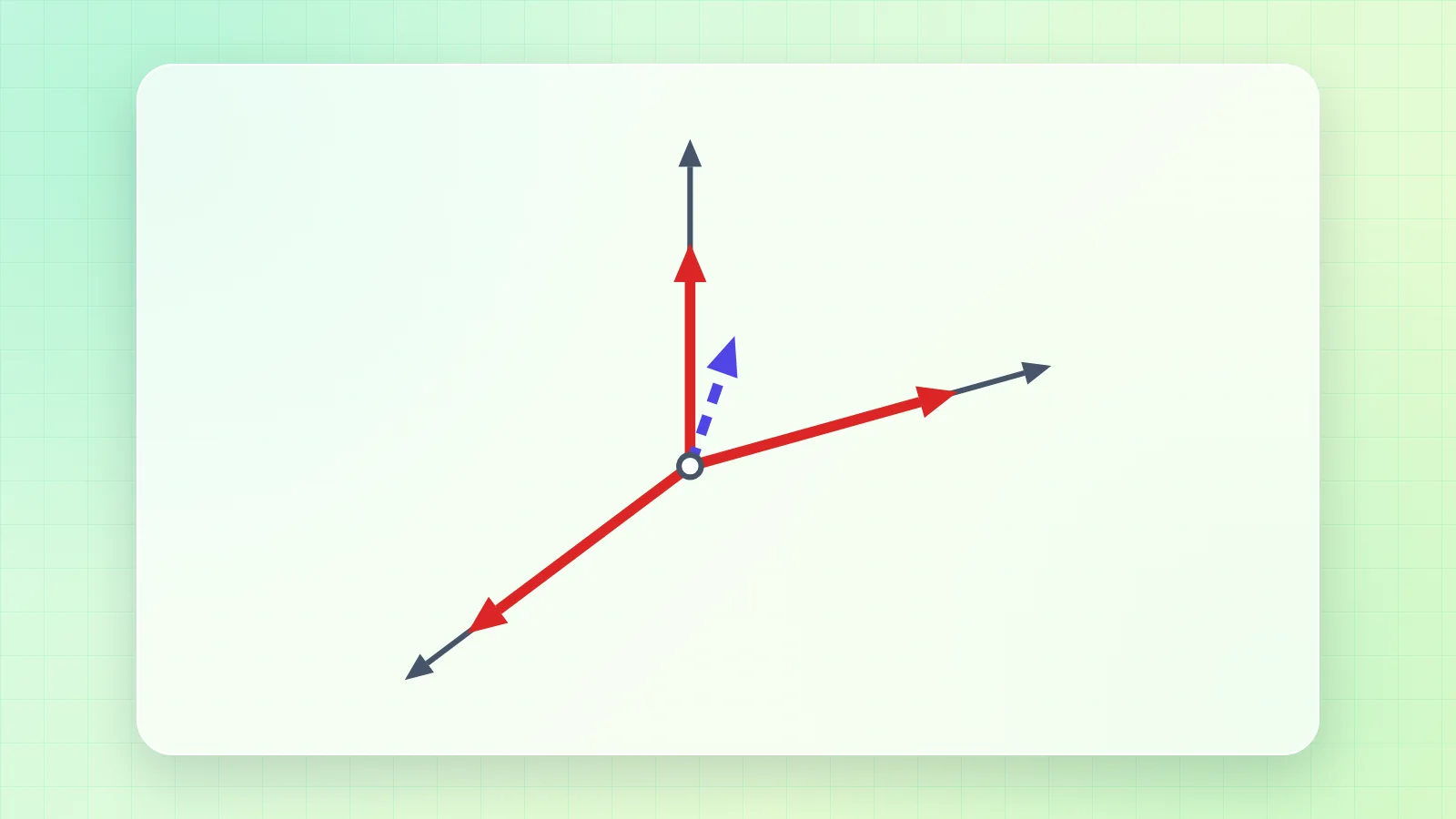
ID: nljnr8nxn2
Problem: Three forces act at the origin: 500 N along \(+x\), 400 N along \(+y\) and 300 N along \(+z\). Find the resultant and its direction angles.
Reference materials

Engineering Mechanics: Statics

Vector Mechanics for Engineers: Statics

Engineering Mechanics: Statics

Engineering Mechanics: Statics

Engineering Statics: Open and Interactive
Community members
Notes, problems and apps on the same topics
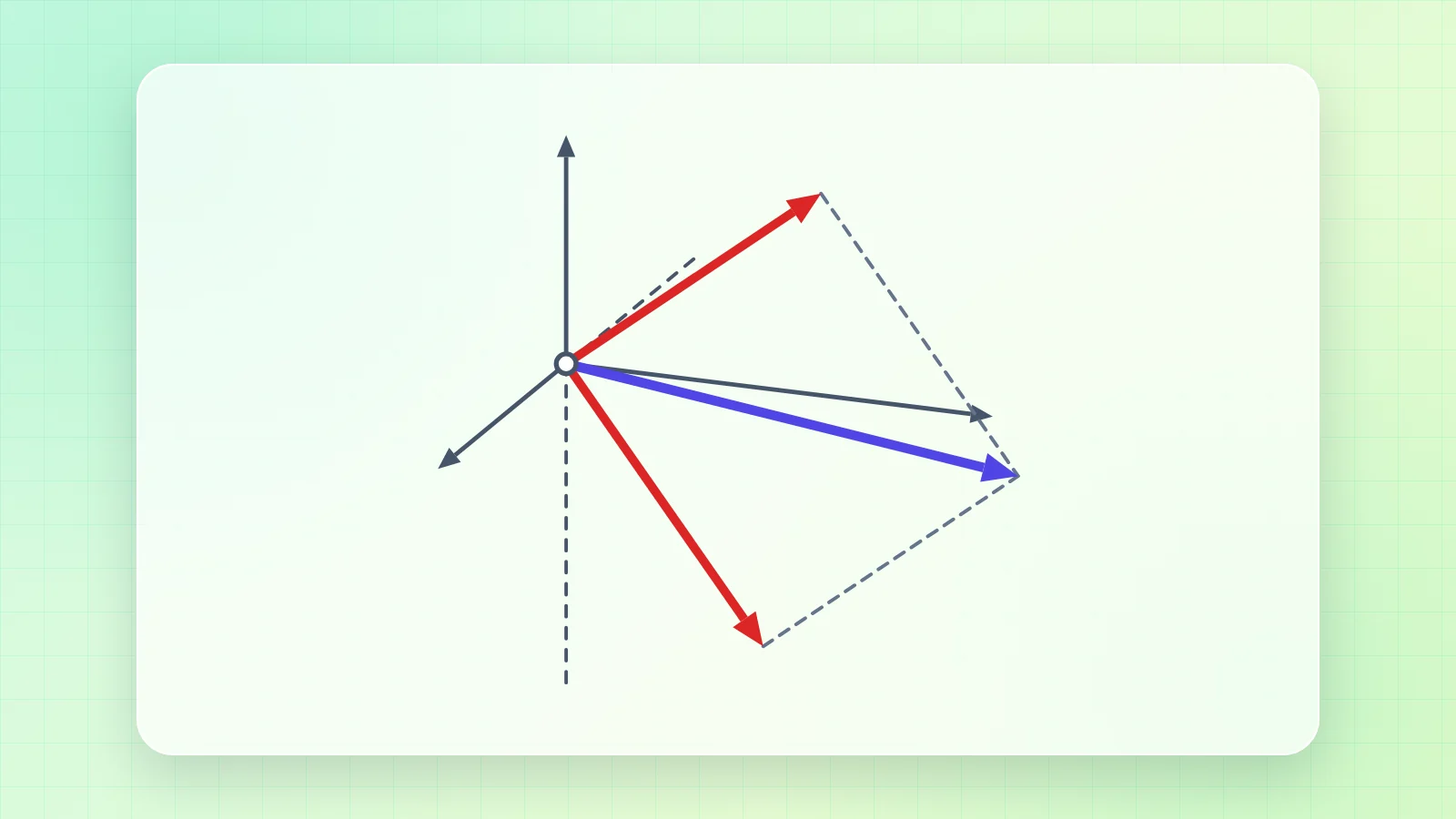
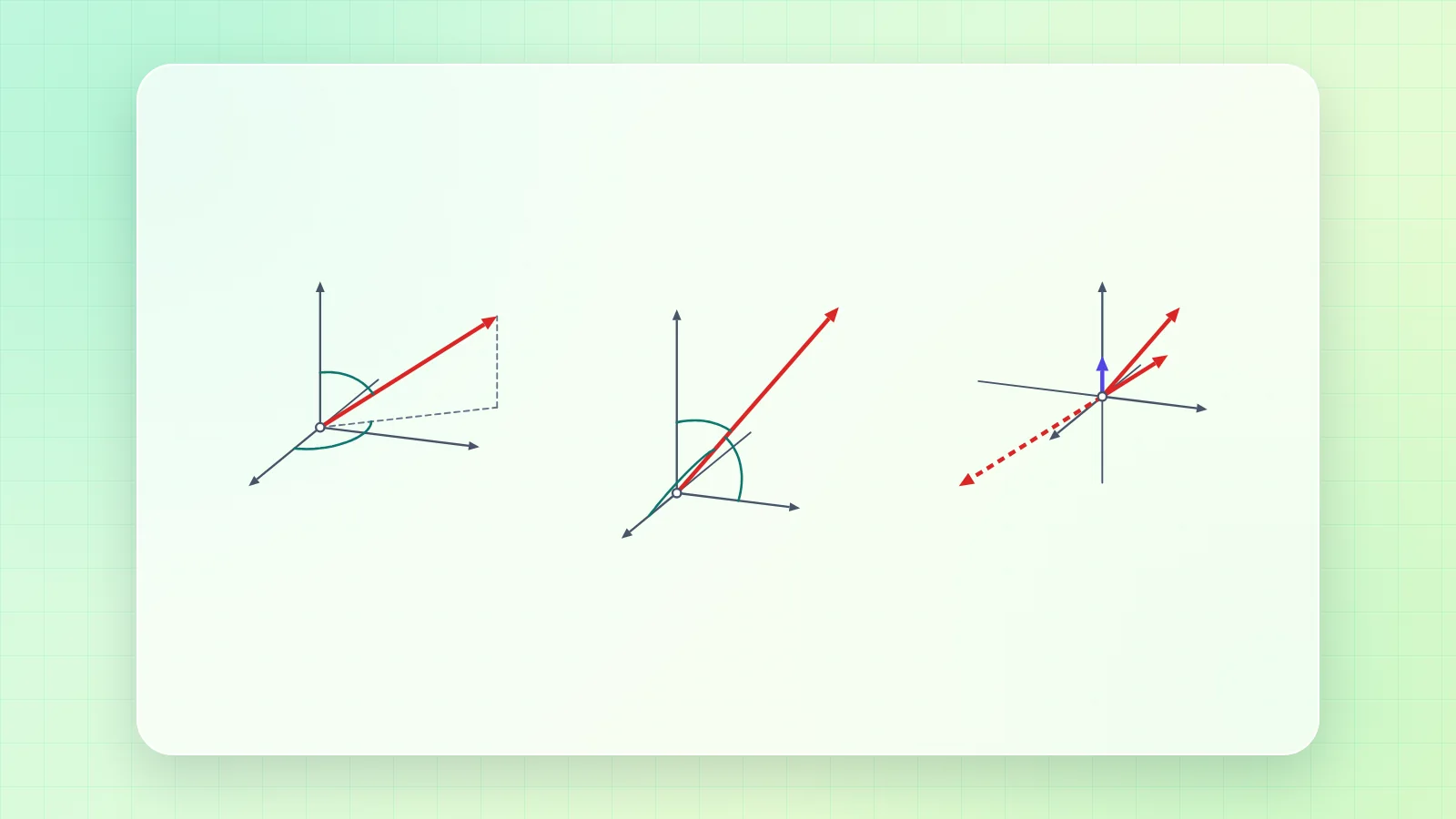
Add concurrent forces in space component by component and find the magnitude and direction angles of the resultant.
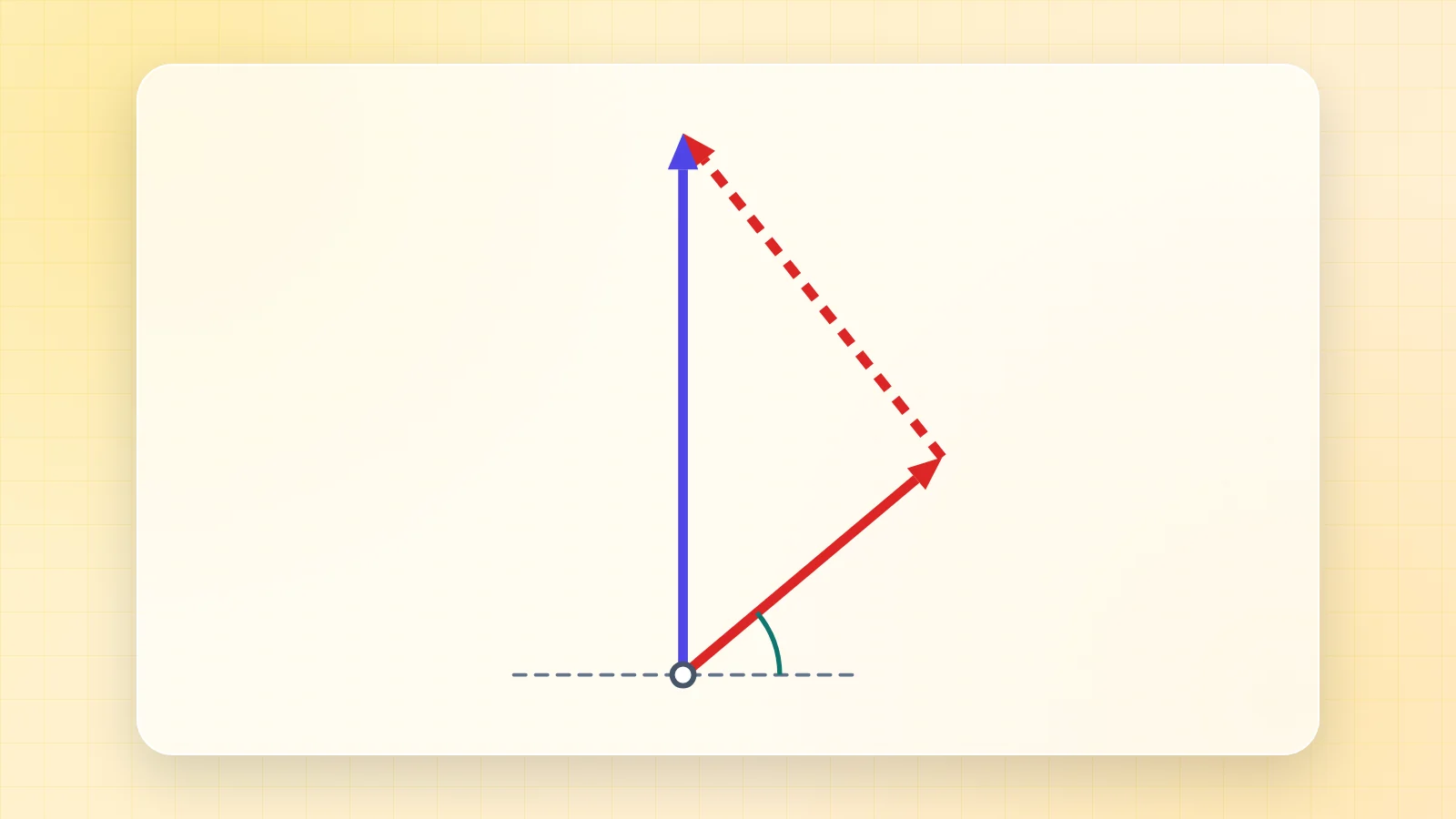
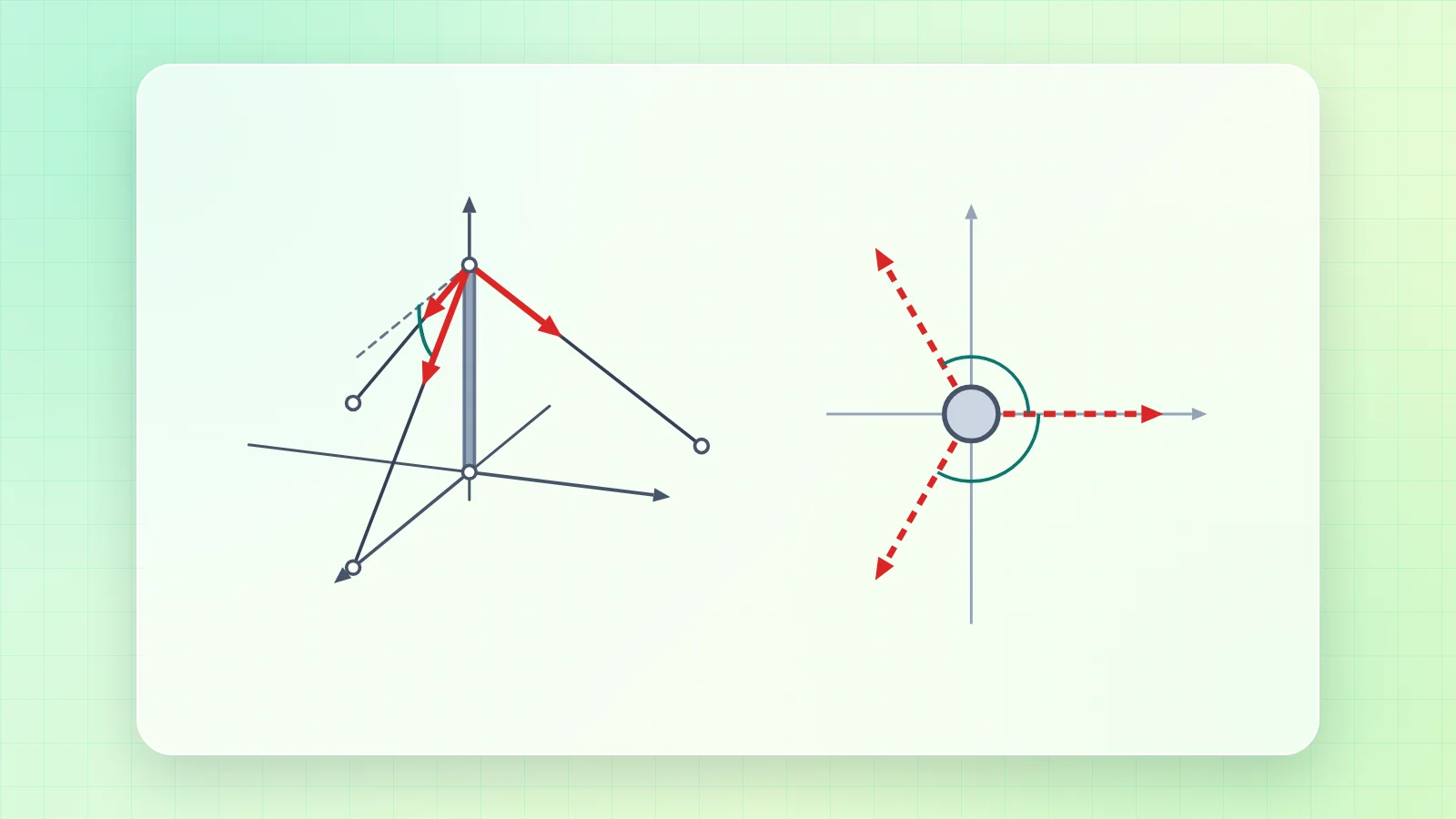
Add any number of coplanar forces by summing x and y components, and find an unknown force from a known resultant.
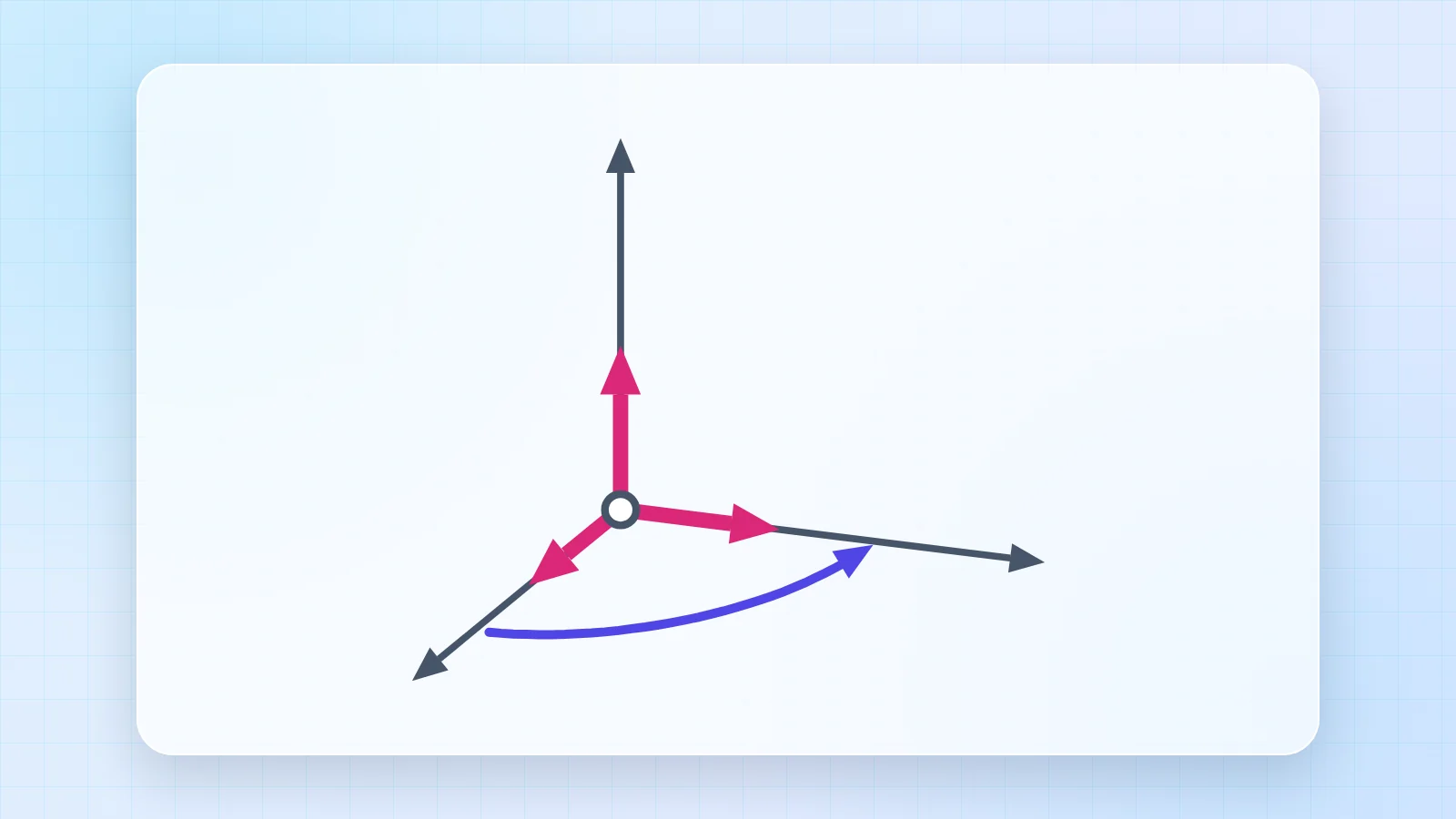
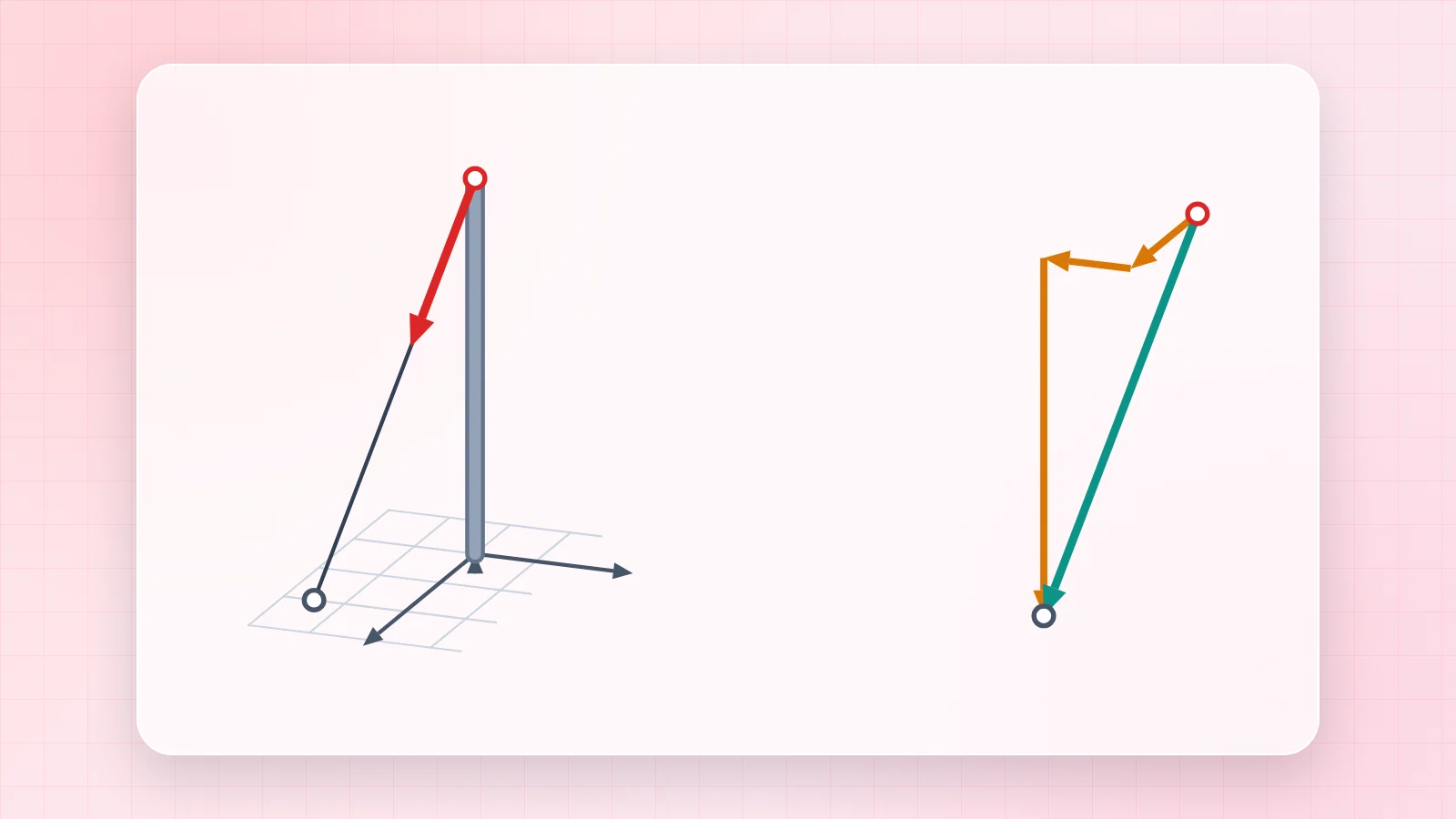
Describe a force in 3D with i, j, k components, its magnitude, coordinate direction angles and unit vector.
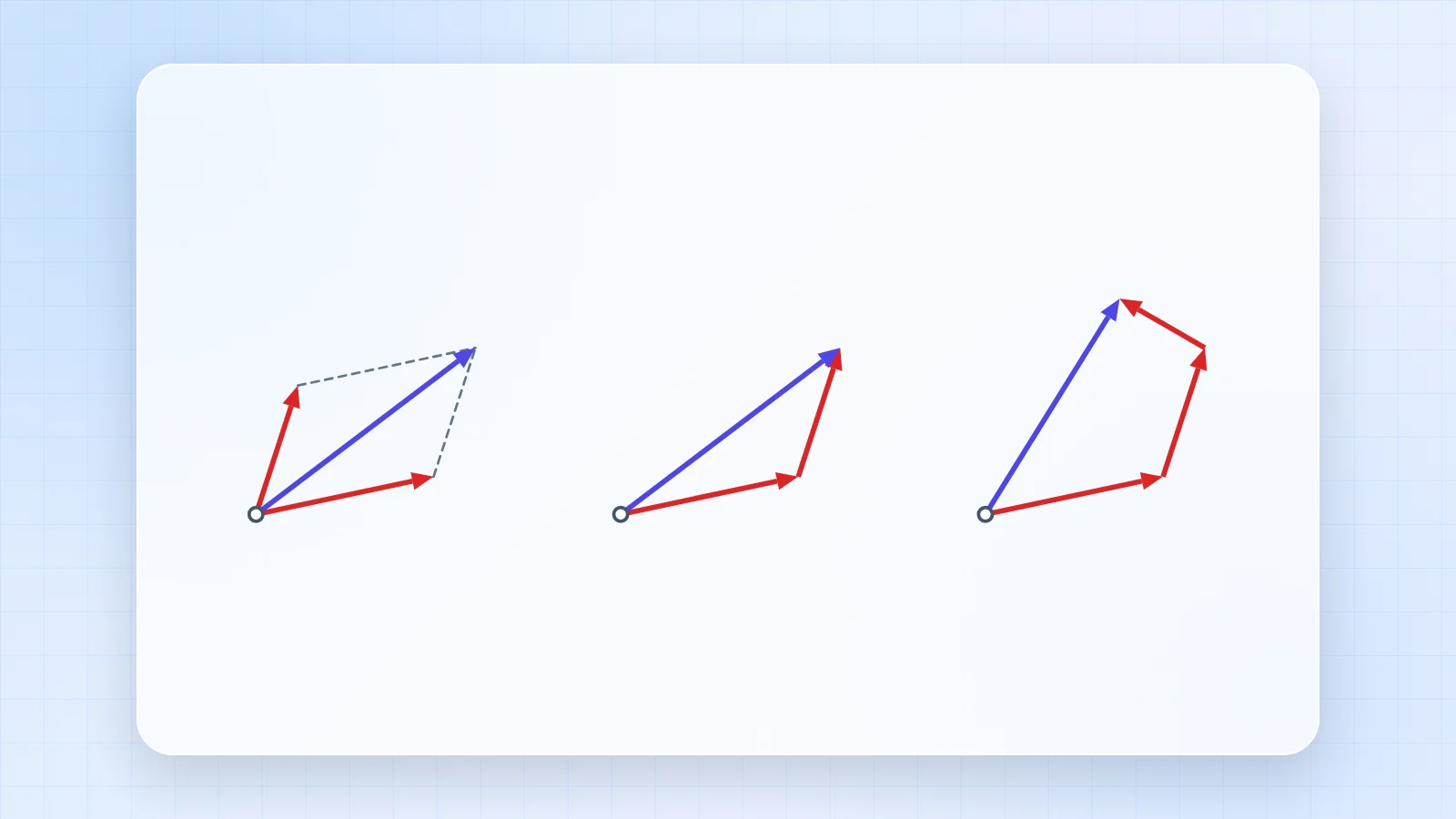
Find the resultant of two or more forces with the parallelogram law, the triangle rule and the laws of sines and cosines.
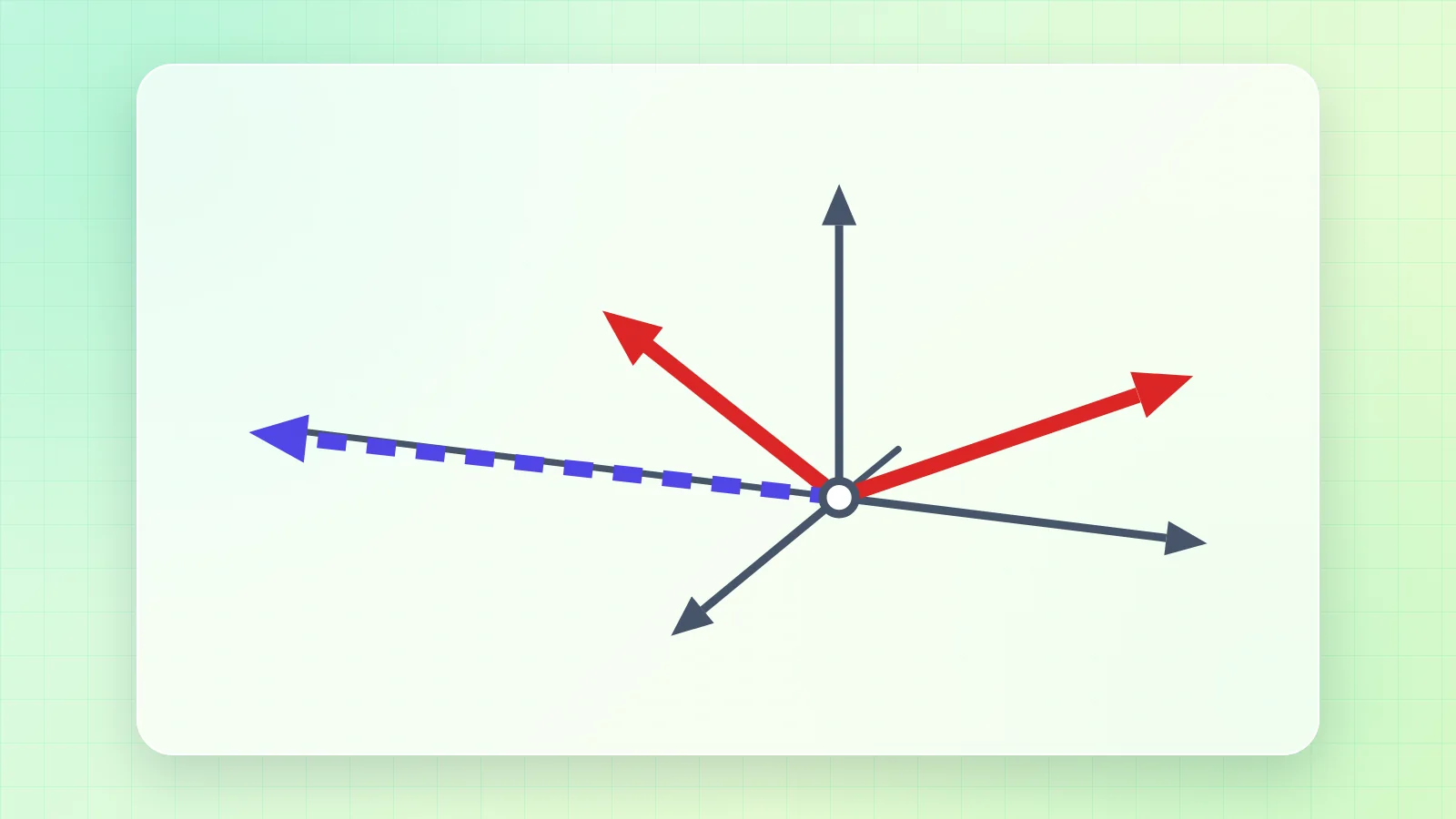
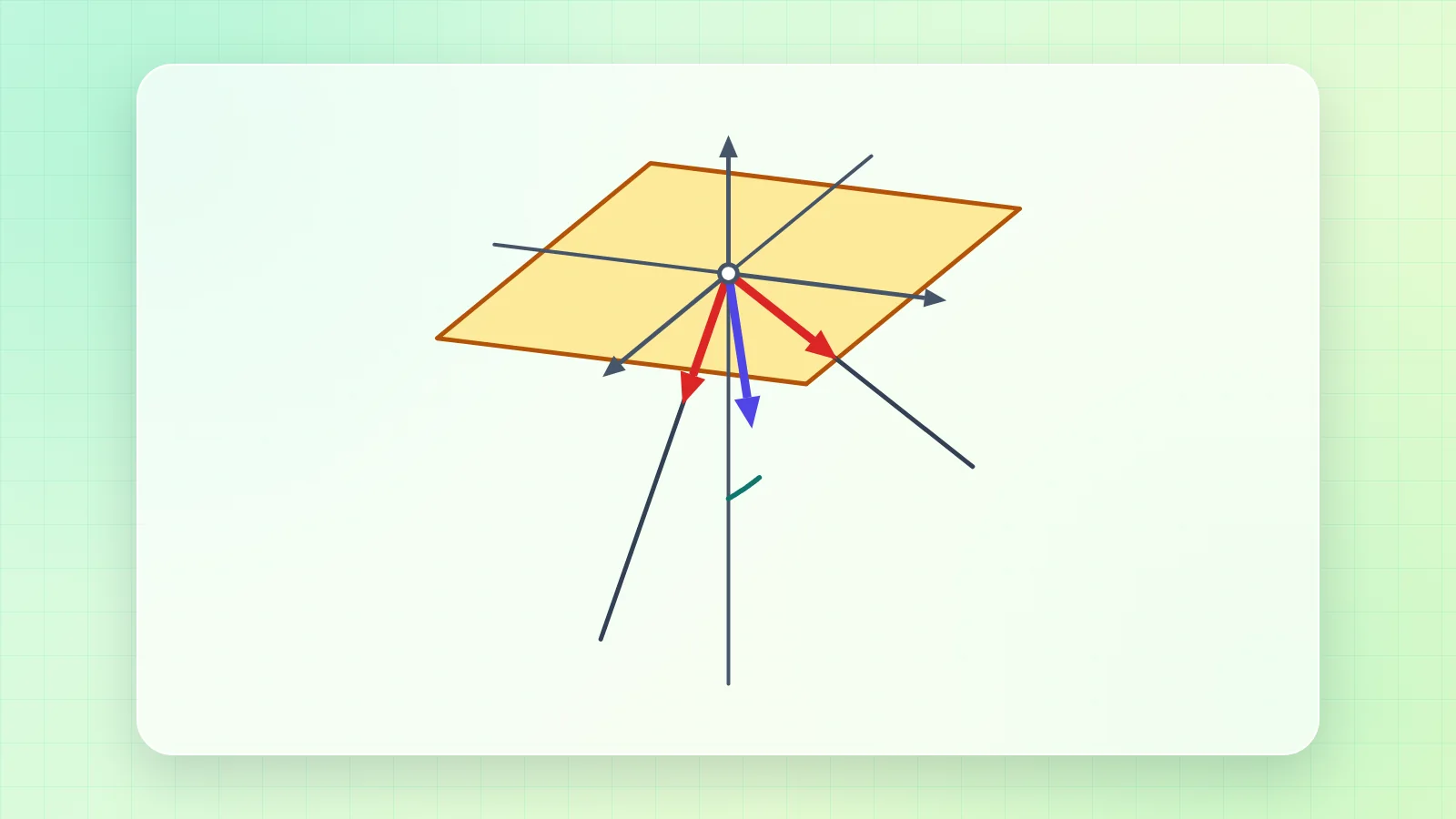
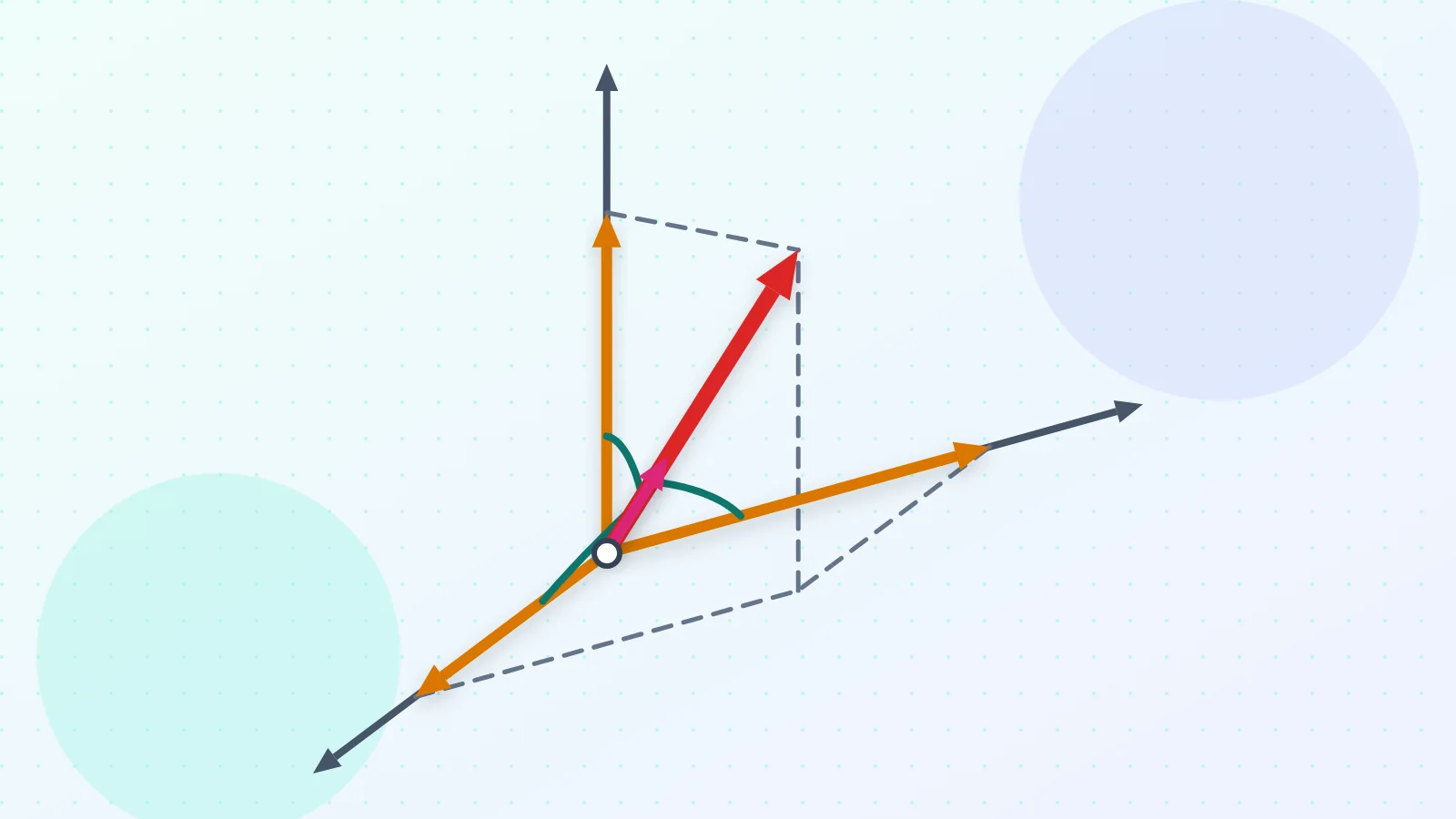
Build a force in space from its components, its three direction angles, two angles or two points, turn the 3D view with the mouse, and add several forces into one.
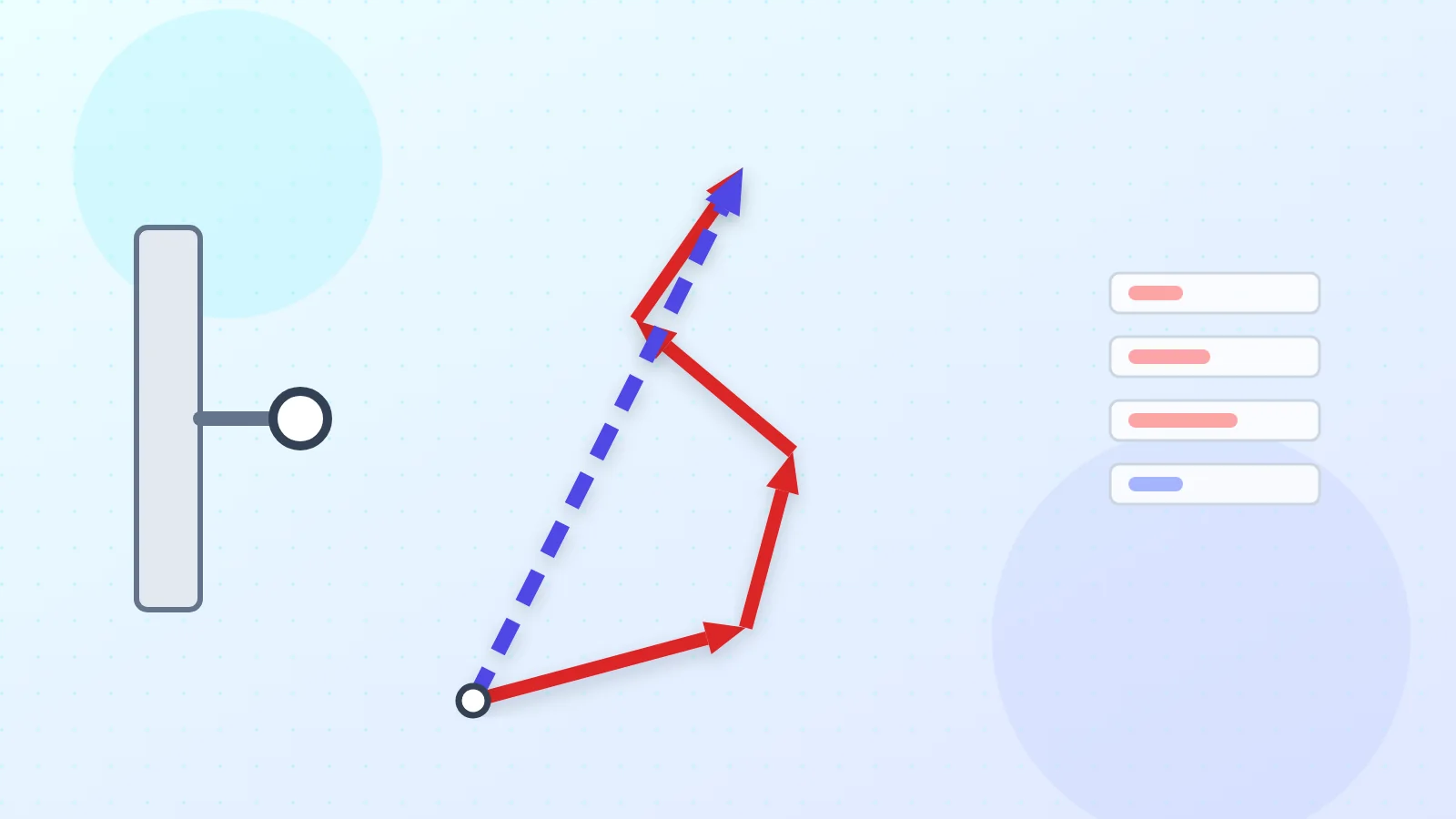
Add any number of forces in a plane with a clear component table and a force polygon, or find the force that is missing, that balances the others or that turns the resultant to a wanted direction.
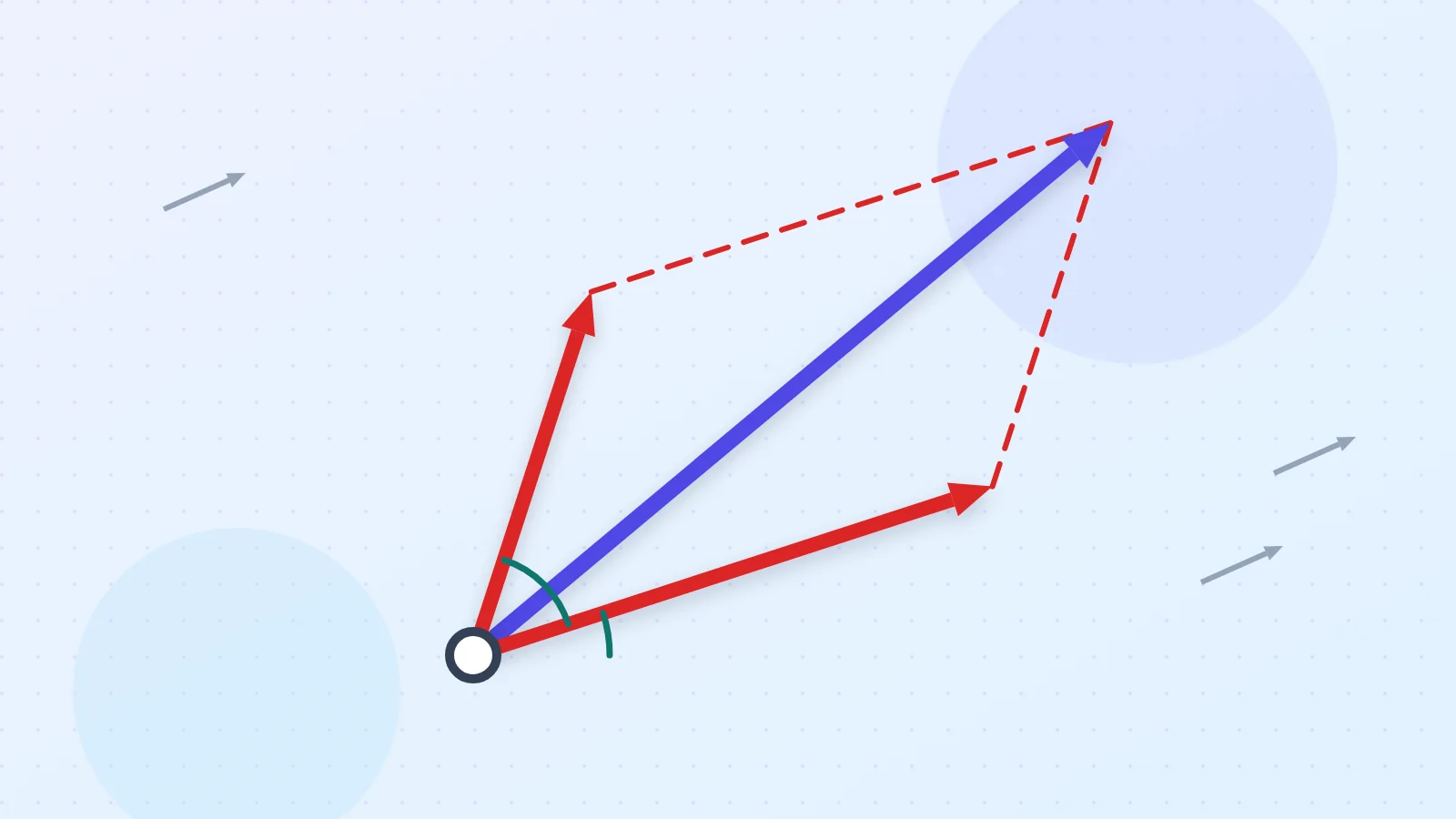
Drag two or more forces and watch their resultant appear by the parallelogram, triangle or polygon rule, with the magnitude and direction worked out live.
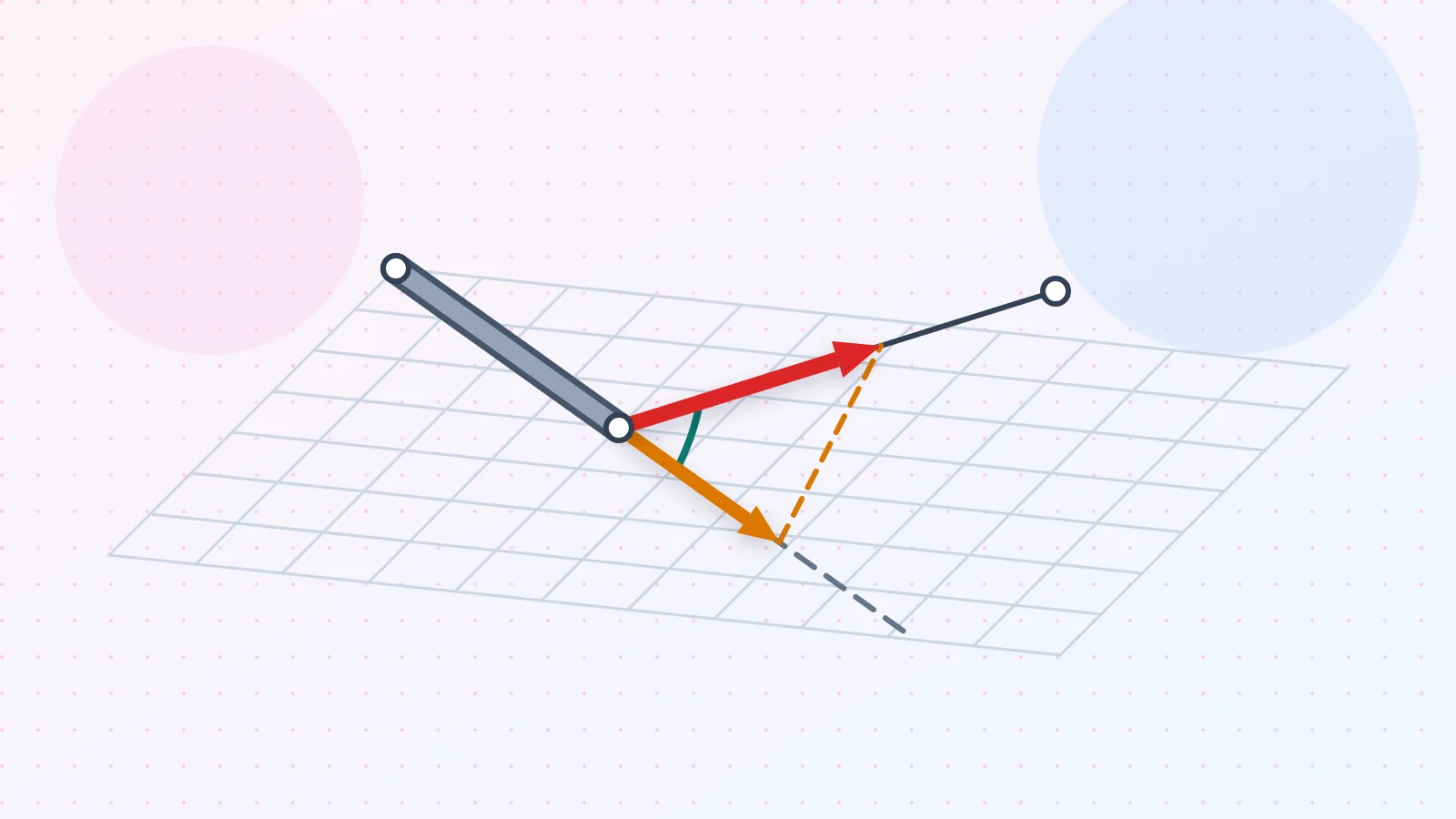
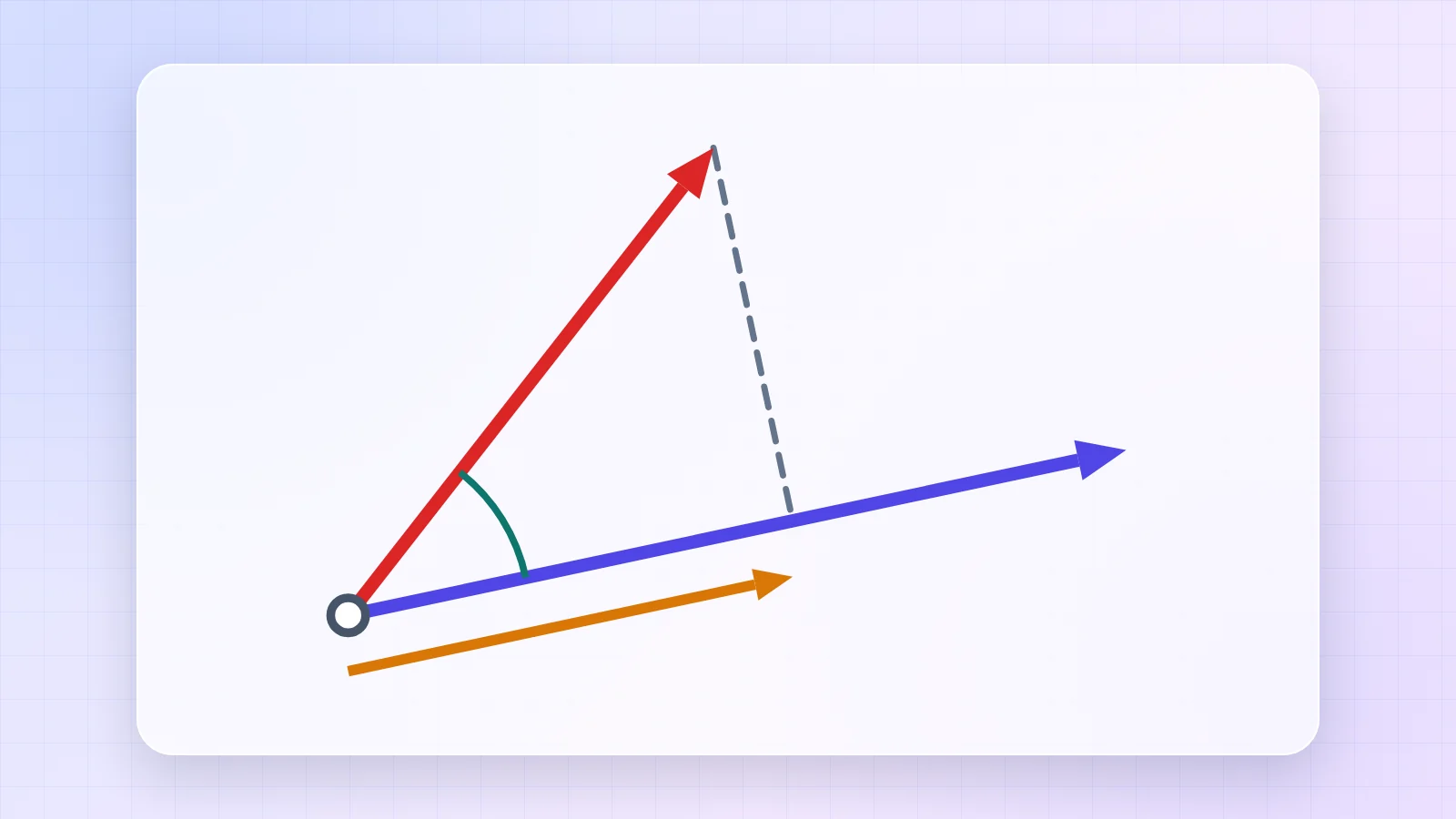
See what the dot product means: the angle between two directions and the part of a force along a line, drawn in 3D with its perpendicular part and a right-angle mark.
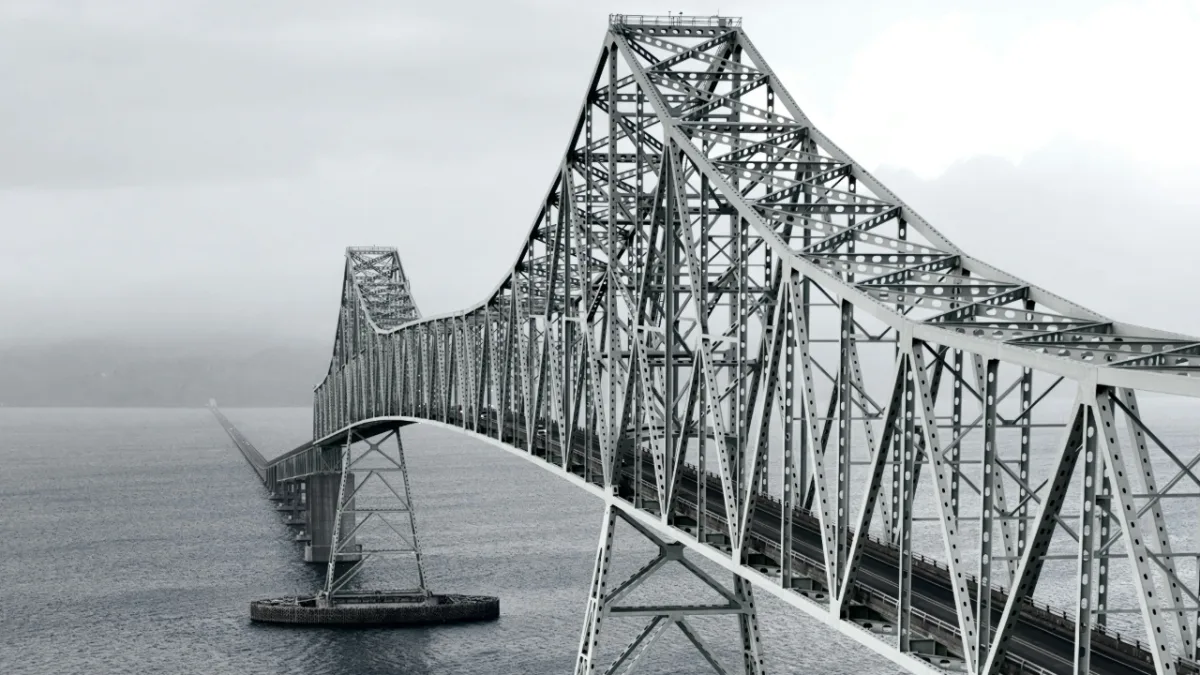
Start statics here: its basic models and principles, SI and U.S. units, and a five-step method for solving problems, with practice problems and unit converters.
Editors can remove comments that break the rules.
Goes to the Hub 4 Mech Problem Team
About this problemForces Along the AxesLog in to send feedback, so the team can answer you.

Message text...
This action cannot be undone.
A decentralized, interactive platform for engineering students.





Comments 0
Discuss the solution, ask for a hint or share another approach to this problem.
Join the discussion
Log in to comment, reply and vote. It is free.
No comments yet
Ask a question, share a tip or say thanks. Be the first!