

1

Resolving a Force into Components Along Two Axes
Split a force into components along any two given directions, and see why oblique components are not projections.
0
0
0
0
0
0
Notes, problems, apps and sets related to this note, the closest match first.
/notes/read/adding-forces-parallelogram-law-and-triangle-rule-6iexxz5i2n
Split a force into components along any two given directions, and see why oblique components are not projections.
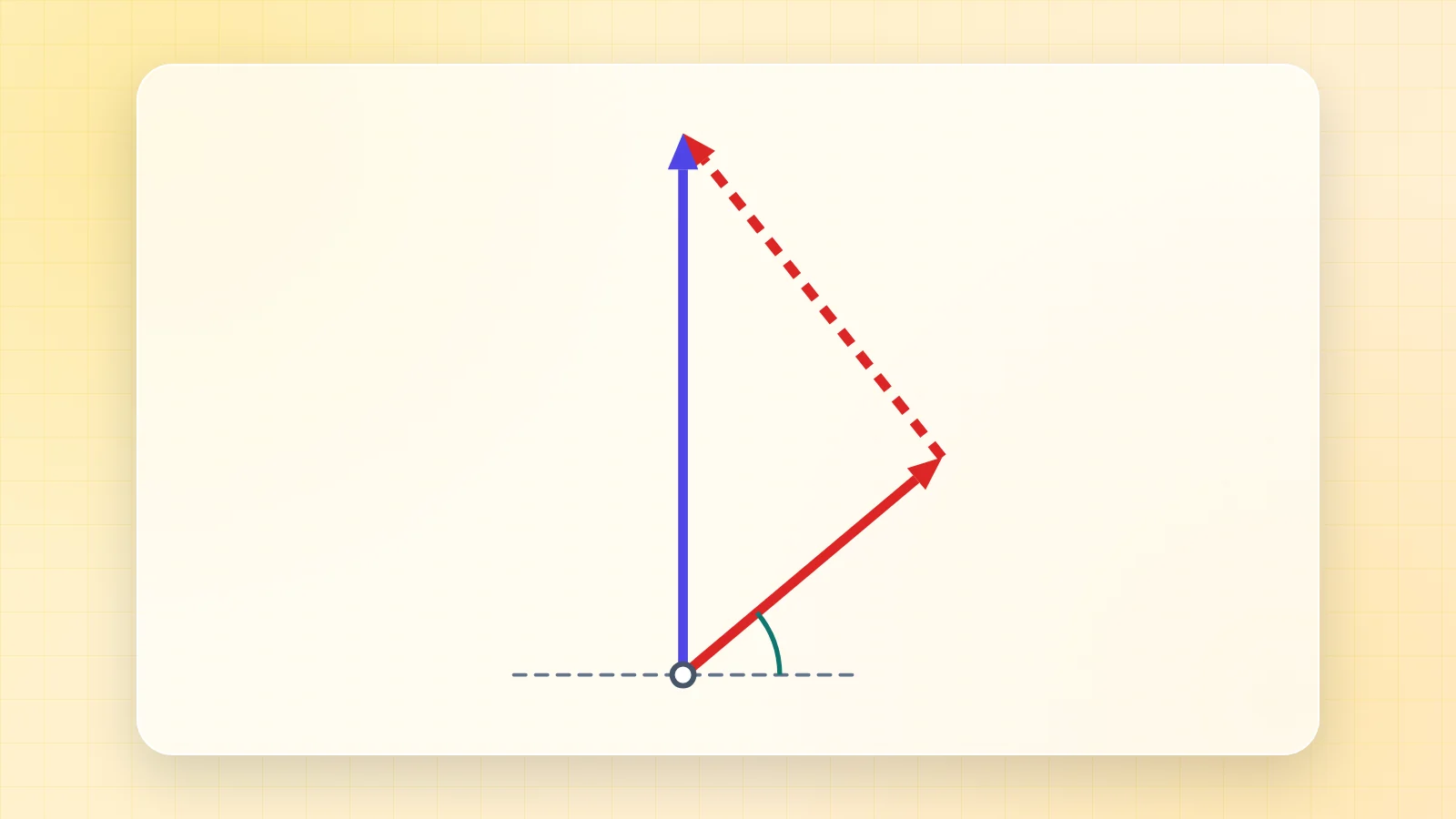
Add any number of coplanar forces by summing x and y components, and find an unknown force from a known resultant.

Write a force by its x and y components, in scalar and Cartesian vector form, and get its magnitude and direction back.
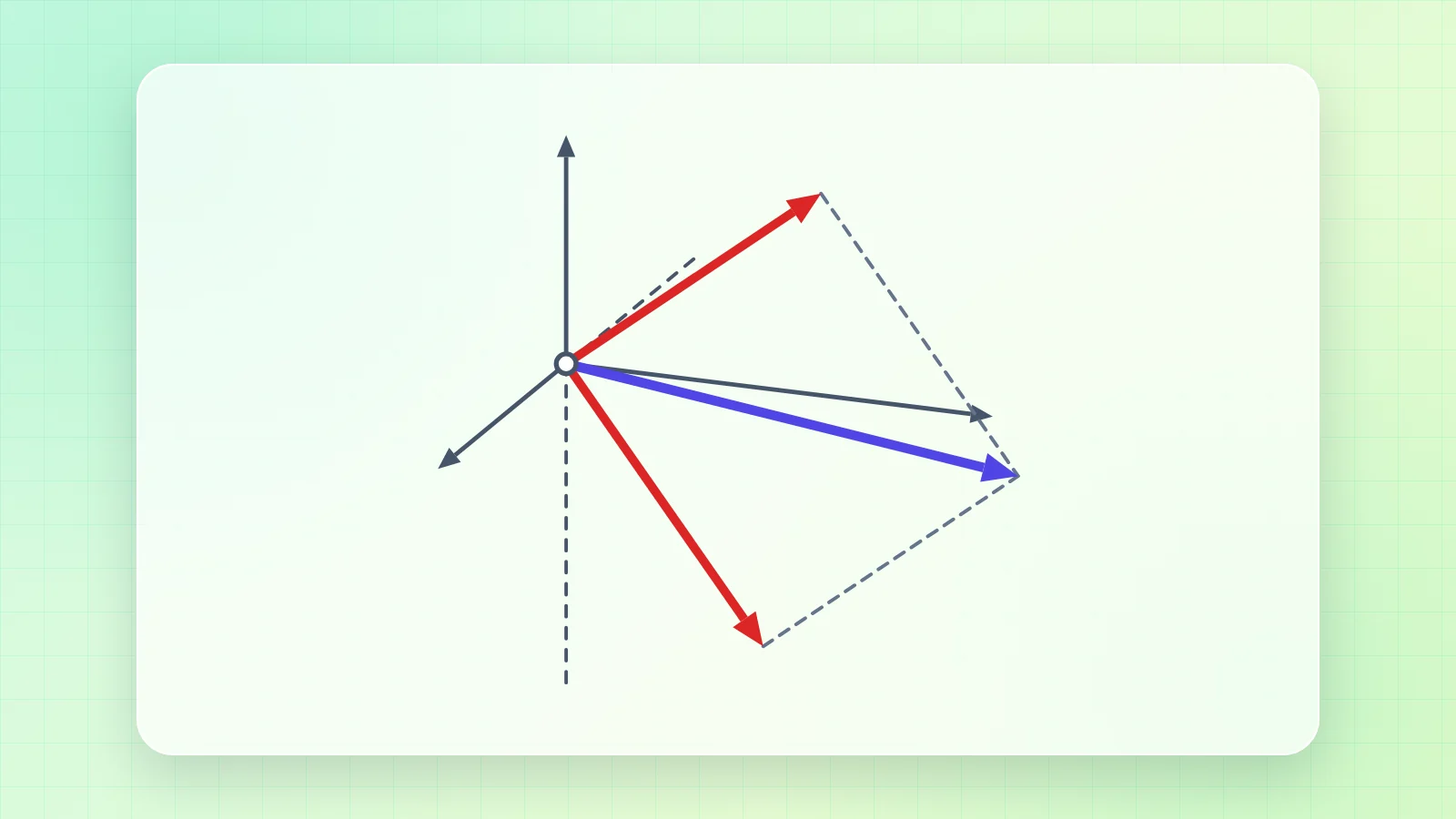
Add concurrent forces in space component by component and find the magnitude and direction angles of the resultant.
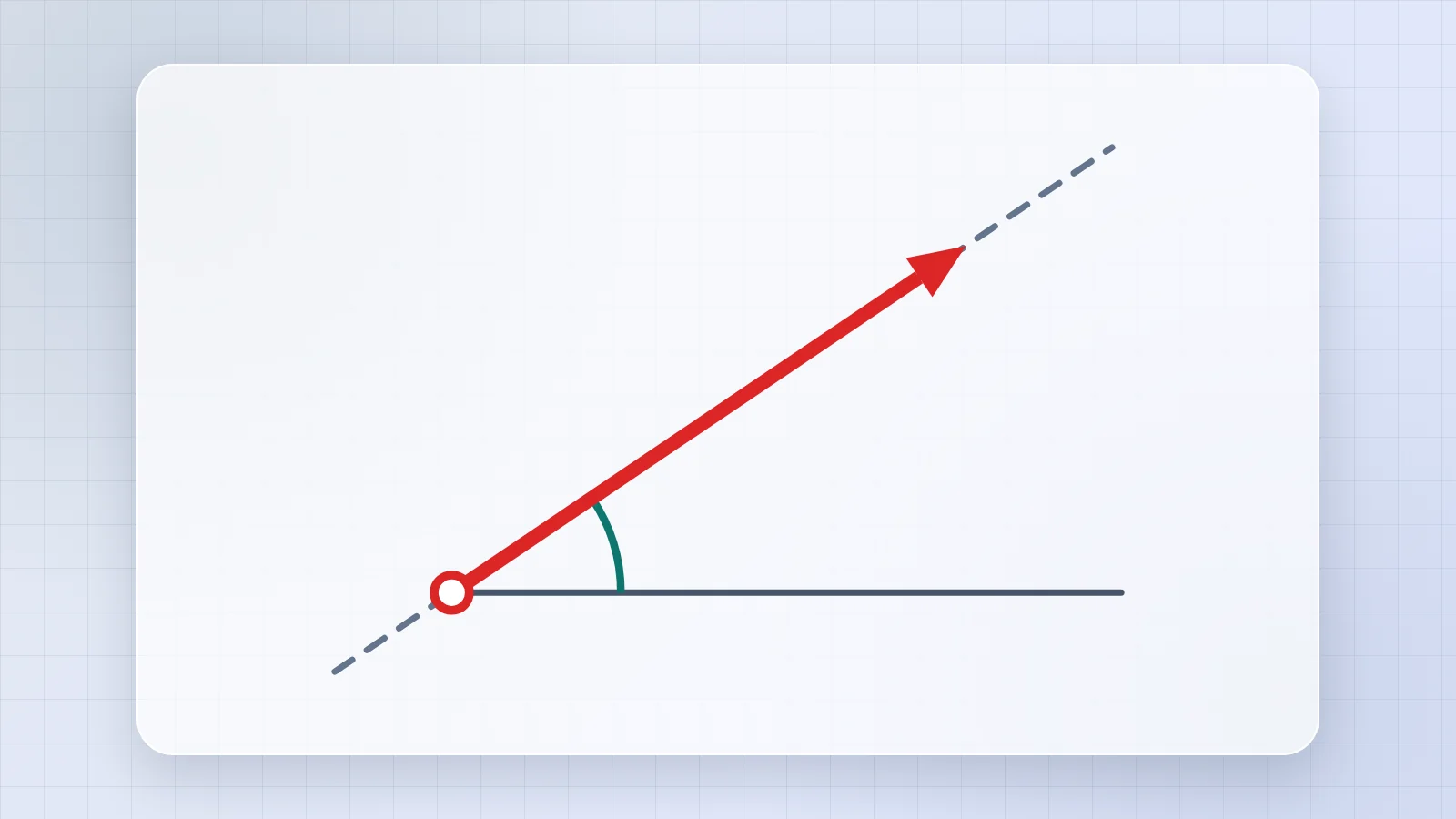
What makes force a vector, how vectors are drawn and written, and how free, sliding and fixed vectors differ.
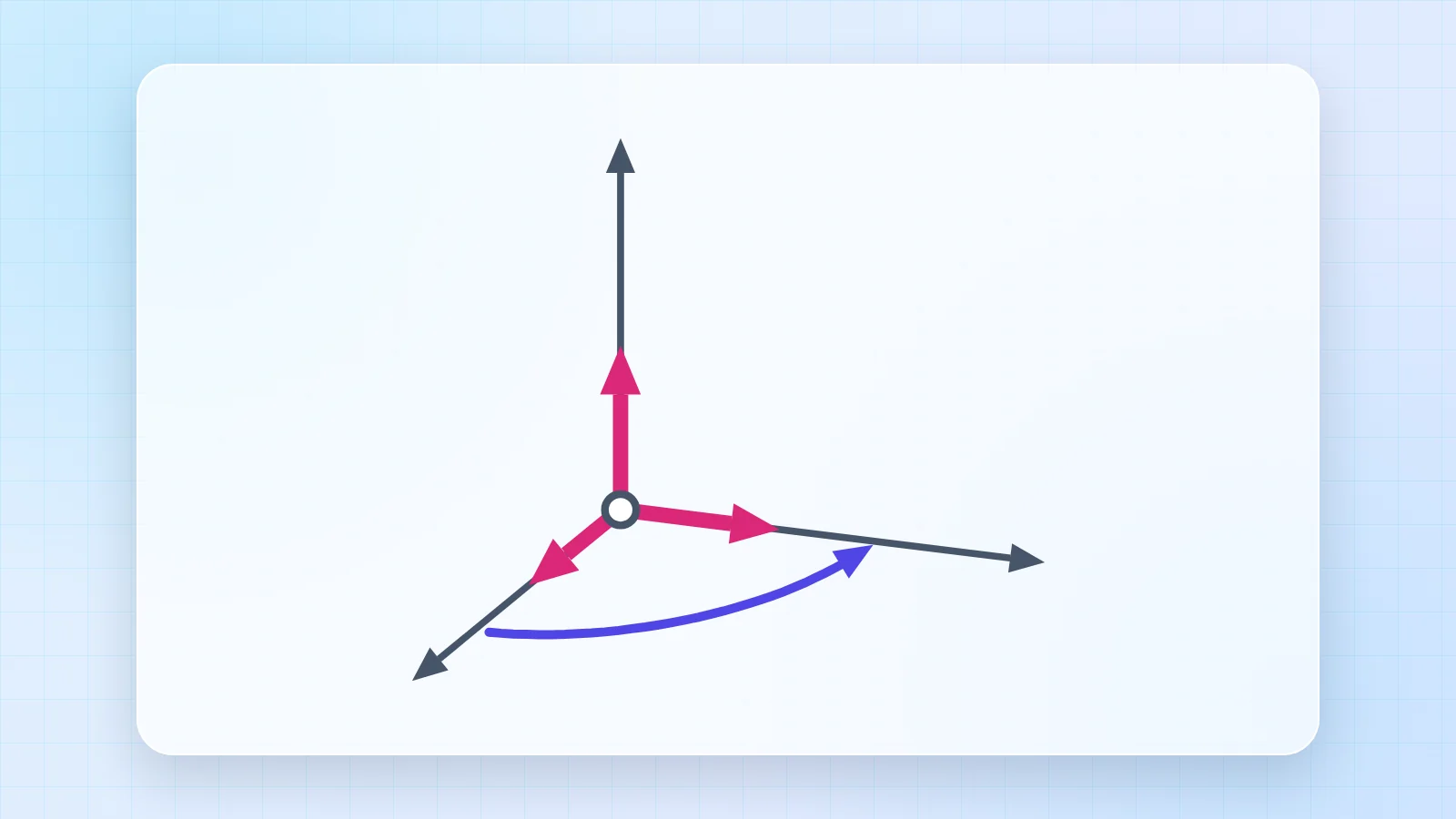
Describe a force in 3D with i, j, k components, its magnitude, coordinate direction angles and unit vector.
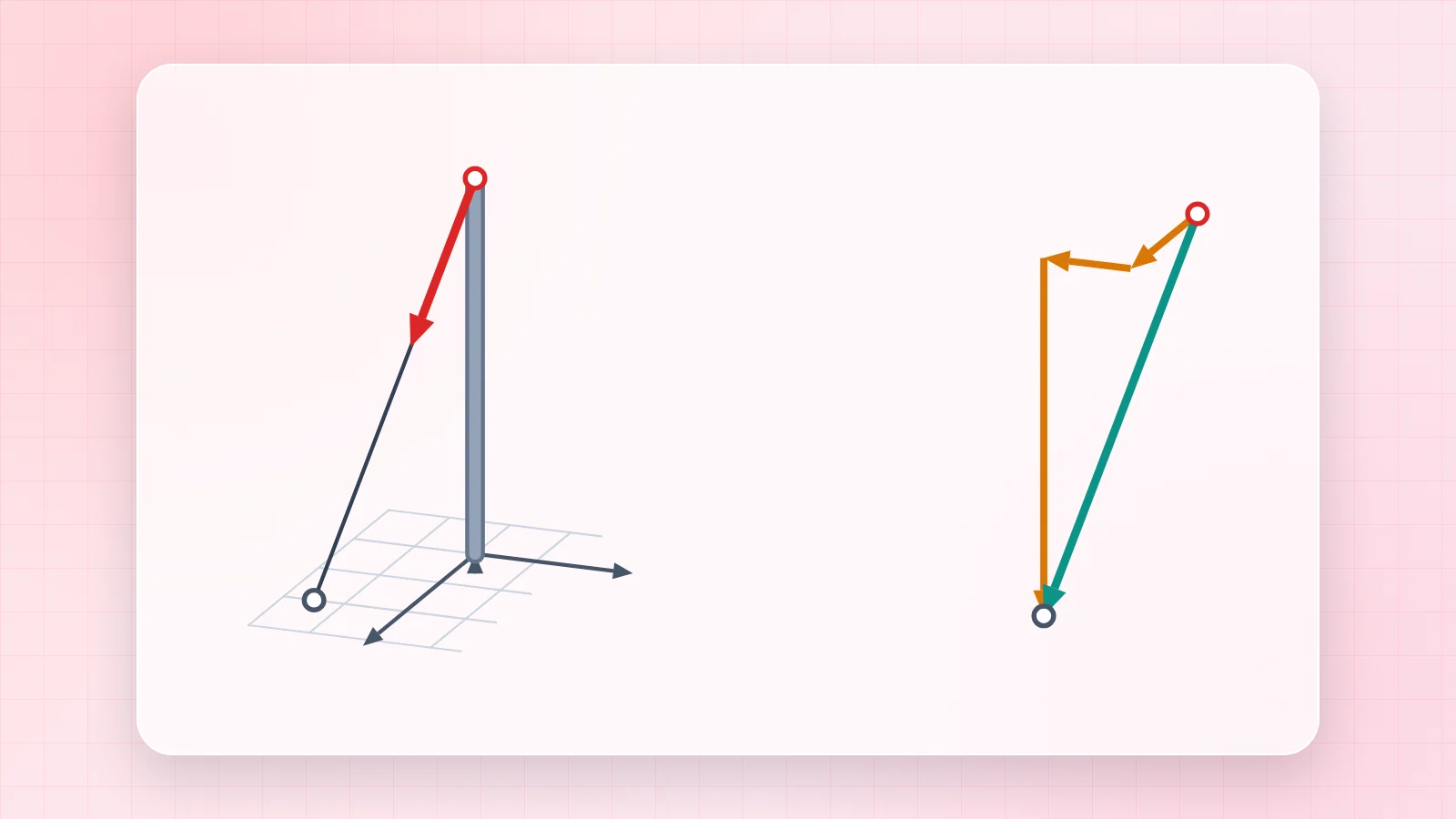
Write a cable or rope force as a Cartesian vector from the coordinates of two points, using position and unit vectors.

Learn what mechanics studies, how it splits into statics, dynamics and other branches, and why statics comes first.

The basic quantities of statics and its three models (particle, rigid body and concentrated force), with when to use each.

The six principles statics rests on, from the parallelogram law to Newton’s laws and gravity, and how each is used in problems.
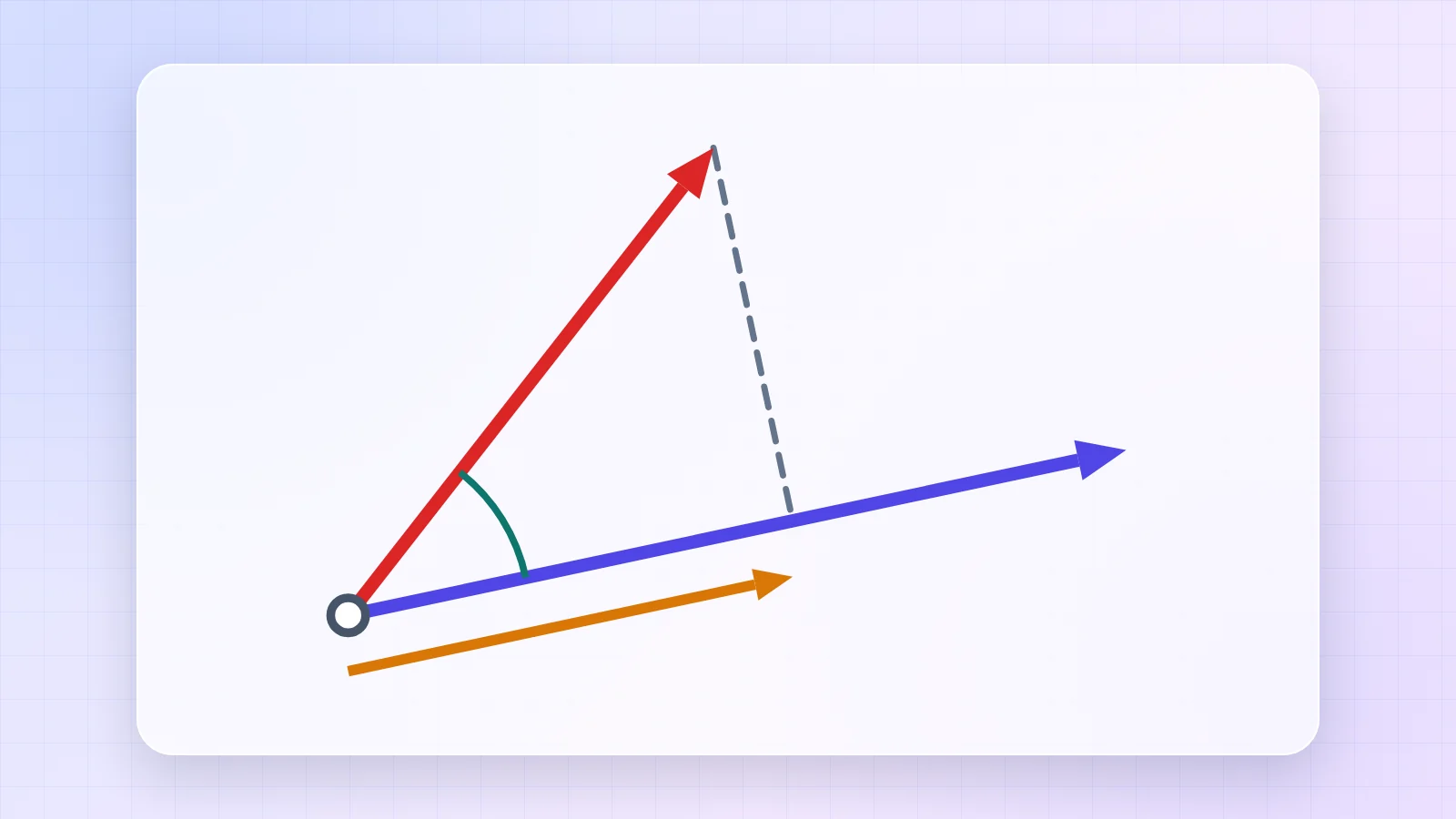
Use the dot product to find the angle between two lines and the parallel and perpendicular components of a force.