
Notes, problems, apps and sets related to this note, the closest match first.
Scalars and Vectors in Statics

Introduction to Statics: Concepts, Principles and Units
Start statics here: its basic models and principles, SI and U.S. units, and a five-step method for solving problems, with practice problems and unit converters.

What Is Mechanics
Learn what mechanics studies, how it splits into statics, dynamics and other branches, and why statics comes first.

Basic Concepts of Statics Particle Rigid Body and Force
The basic quantities of statics and its three models (particle, rigid body and concentrated force), with when to use each.
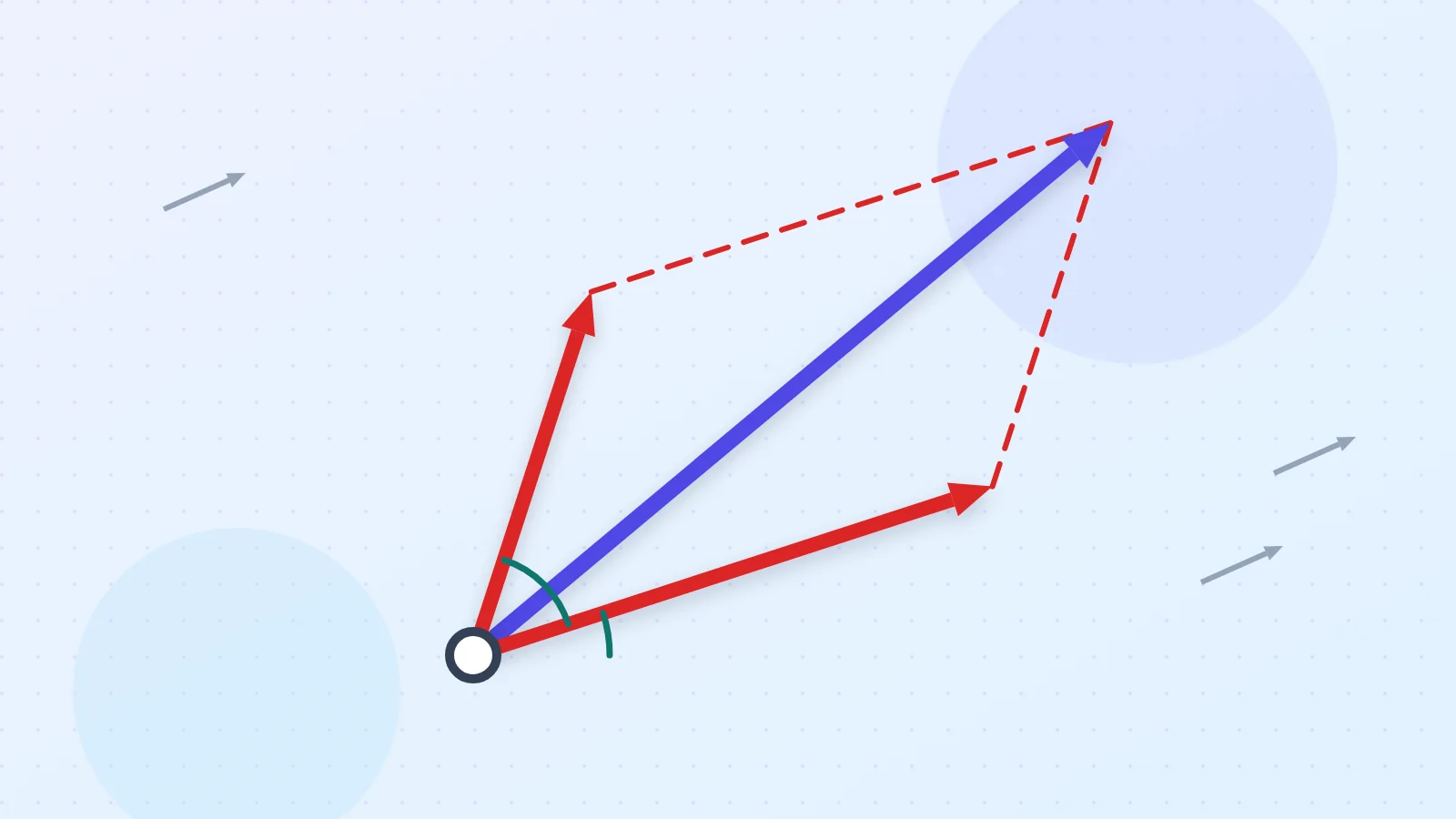
Force Addition Lab: Parallelogram, Triangle and Polygon Rules
Drag two or more forces and watch their resultant appear by the parallelogram, triangle or polygon rule, with the magnitude and direction worked out live.

Fundamental Principles of Statics
The six principles statics rests on, from the parallelogram law to Newton’s laws and gravity, and how each is used in problems.
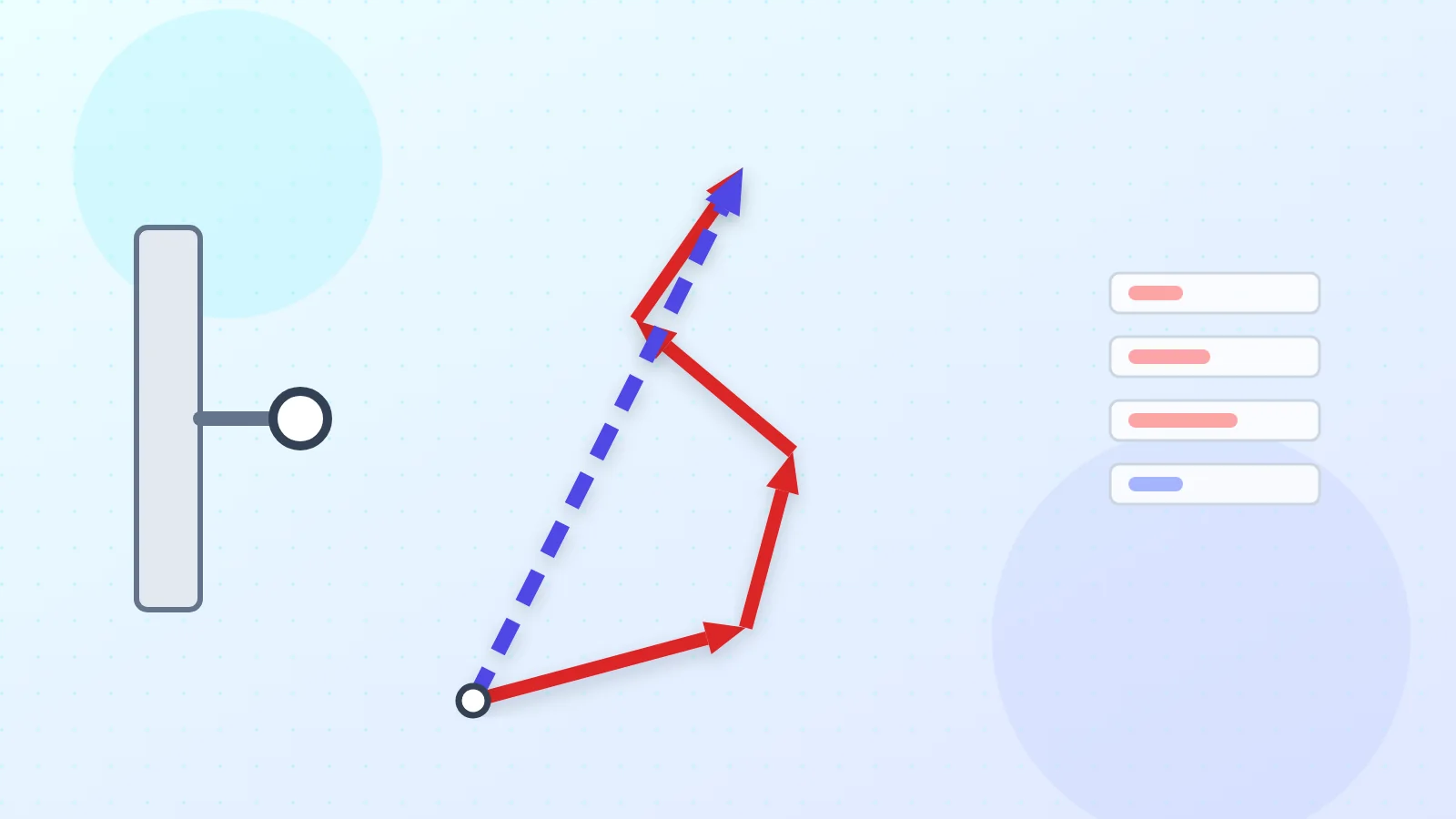
Coplanar Force Resultant: Table, Polygon and Missing Force
Add any number of forces in a plane with a clear component table and a force polygon, or find the force that is missing, that balances the others or that turns the resultant to a wanted direction.

Moment and Torque Converter
Convert moments and torques between N·m, N·mm, kN·m, lbf·in, lbf·ft, kip·ft, kgf·m and more, with exact factors and the steps shown.
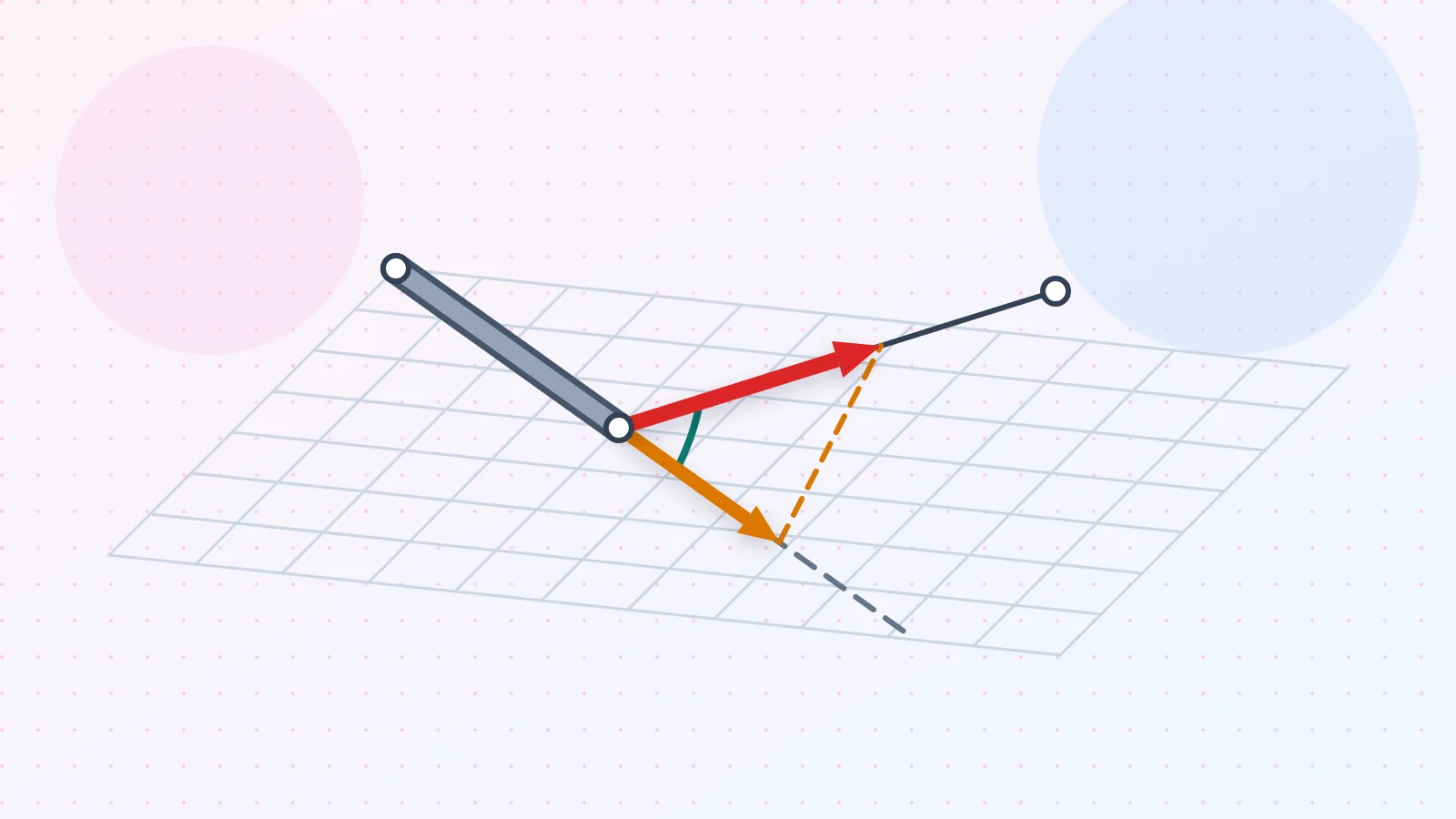
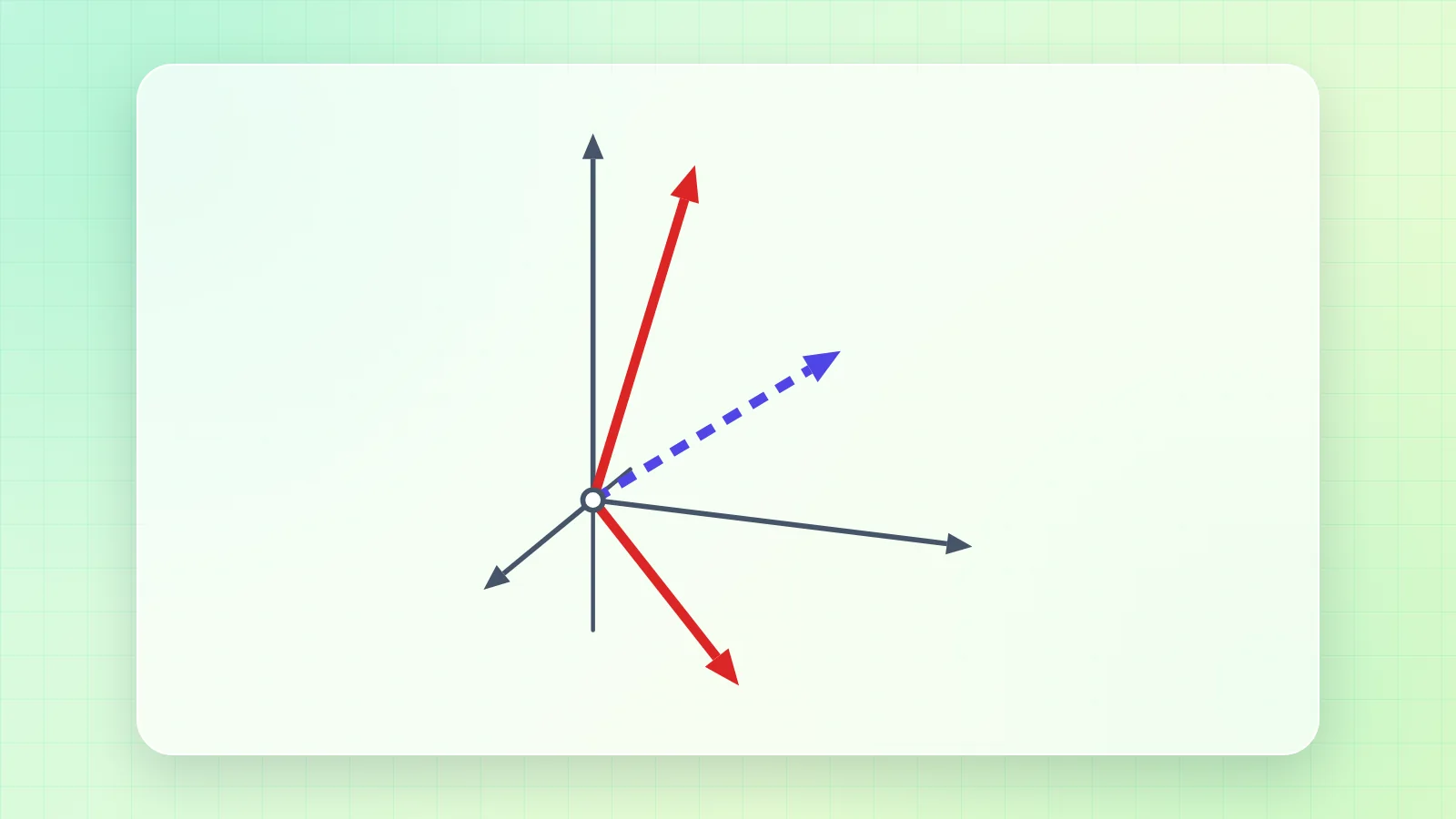
Dot Product Visualizer: Angles and Projections in 3D
See what the dot product means: the angle between two directions and the part of a force along a line, drawn in 3D with its perpendicular part and a right-angle mark.

Force Resolver: Split a Force Along Any Two Directions
Split a force into two parts along any two directions, perpendicular or not, or into x and y parts from an angle or a slope, with every step shown on the drawing.
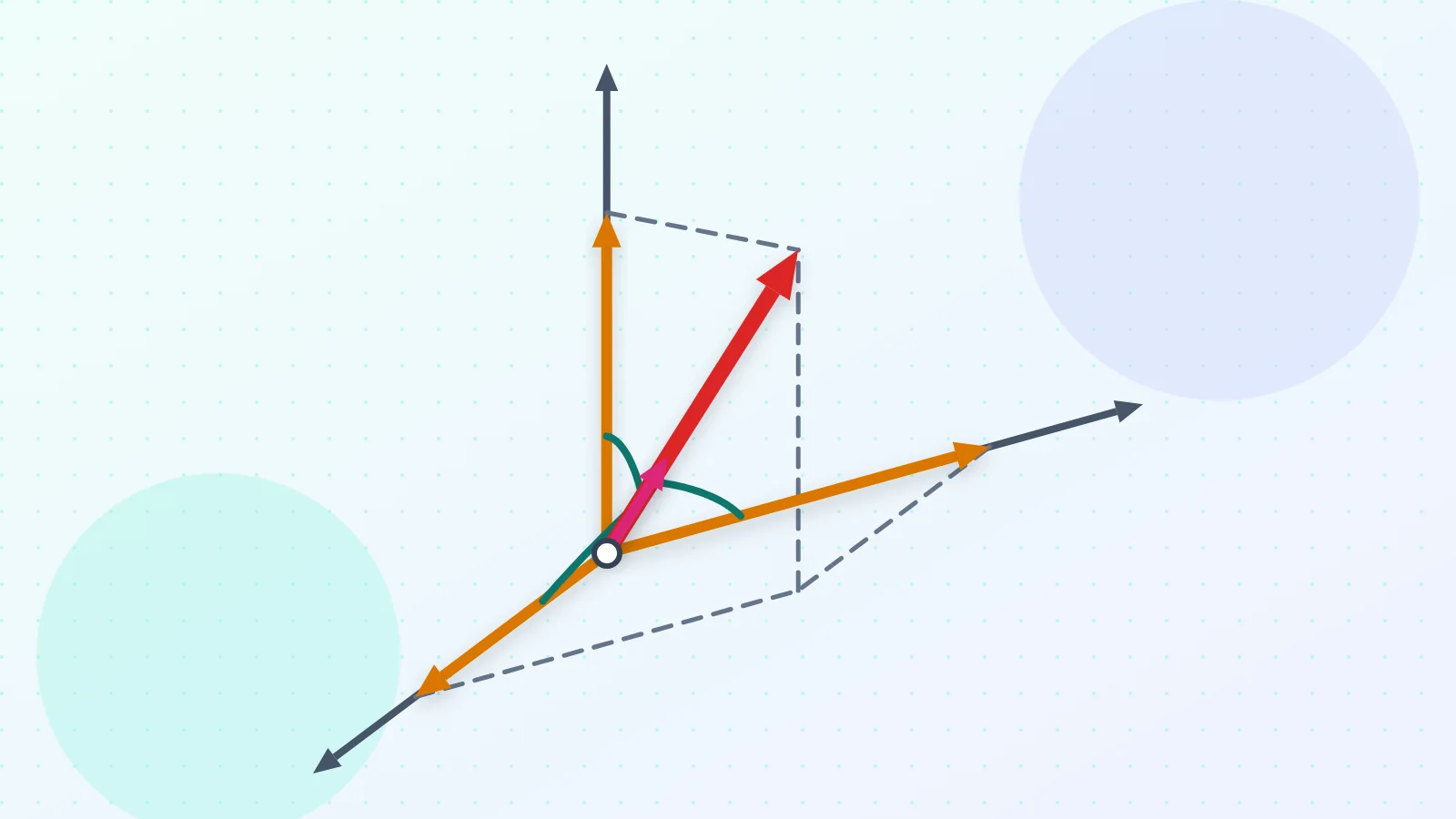
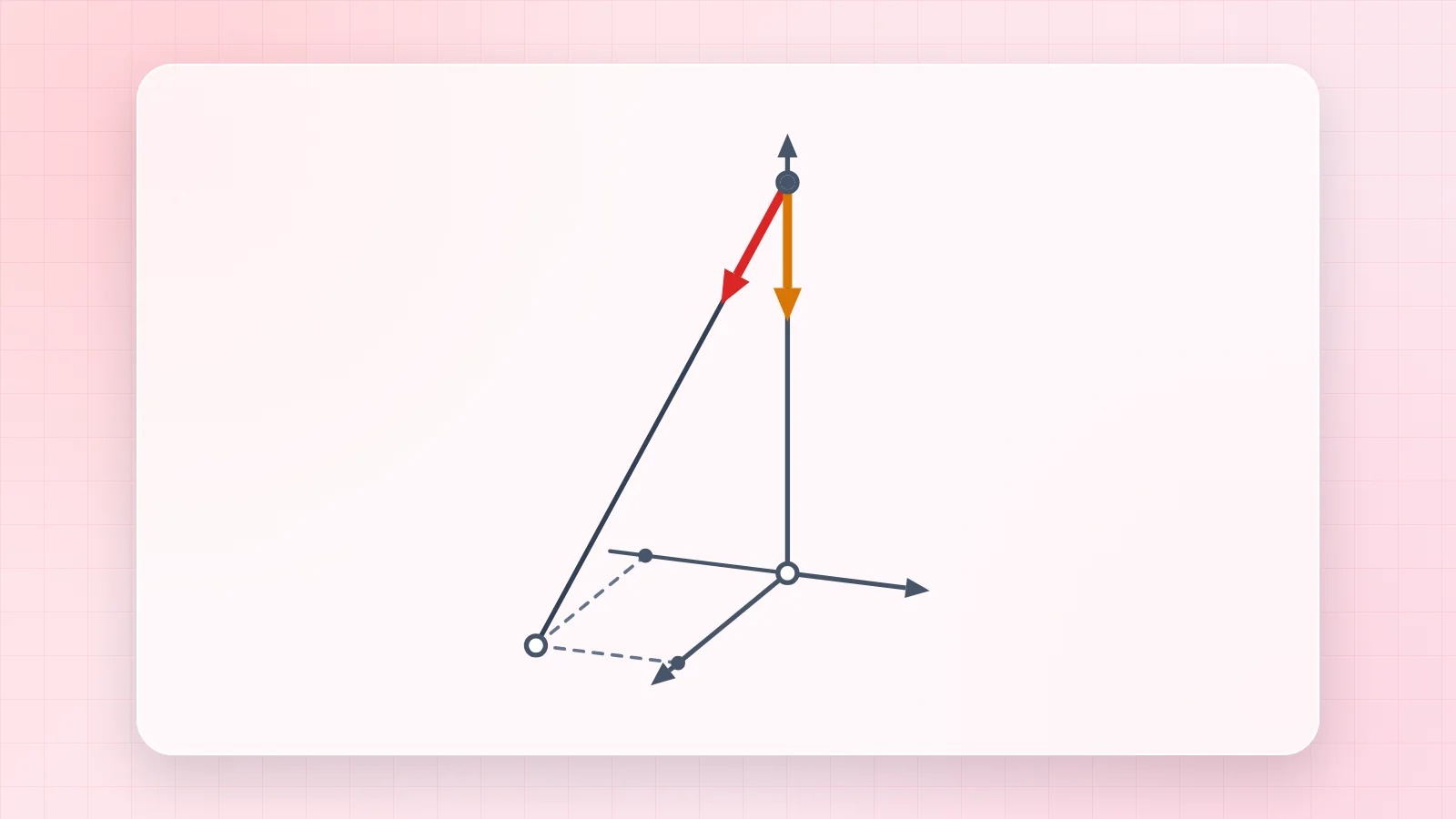
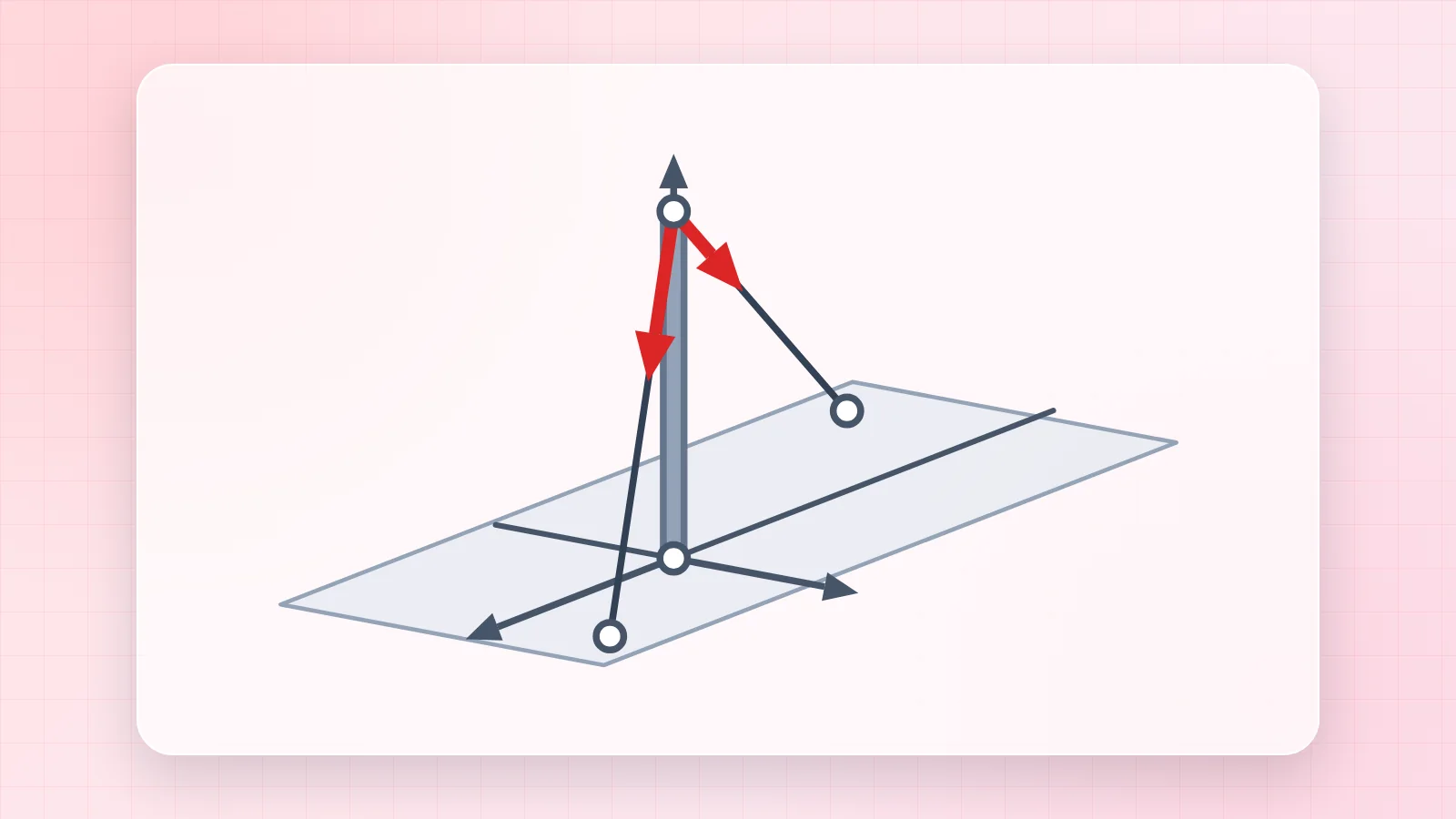
3D Force Vector Builder: Angles, Two Points and Sums
Build a force in space from its components, its three direction angles, two angles or two points, turn the 3D view with the mouse, and add several forces into one.
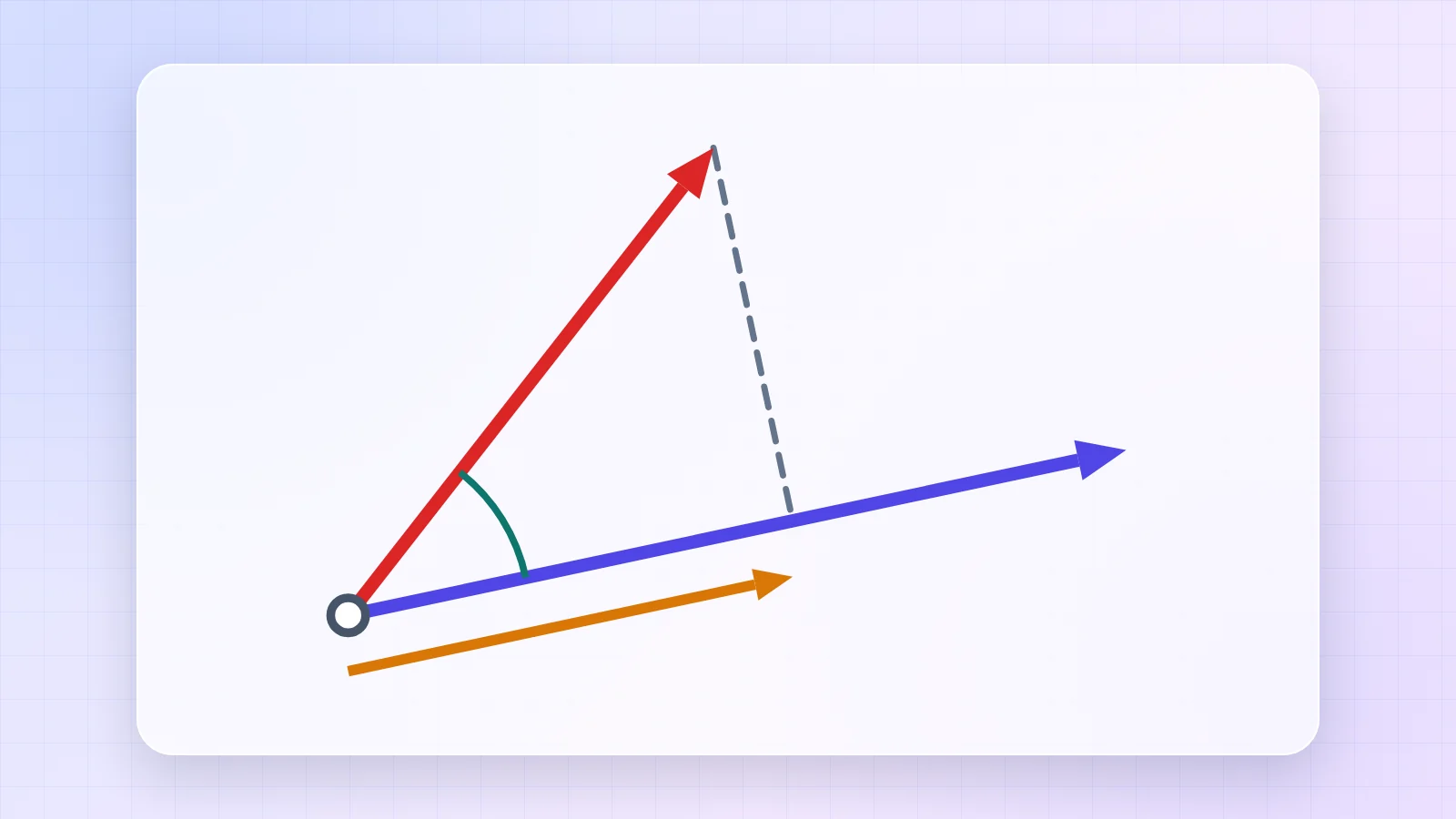
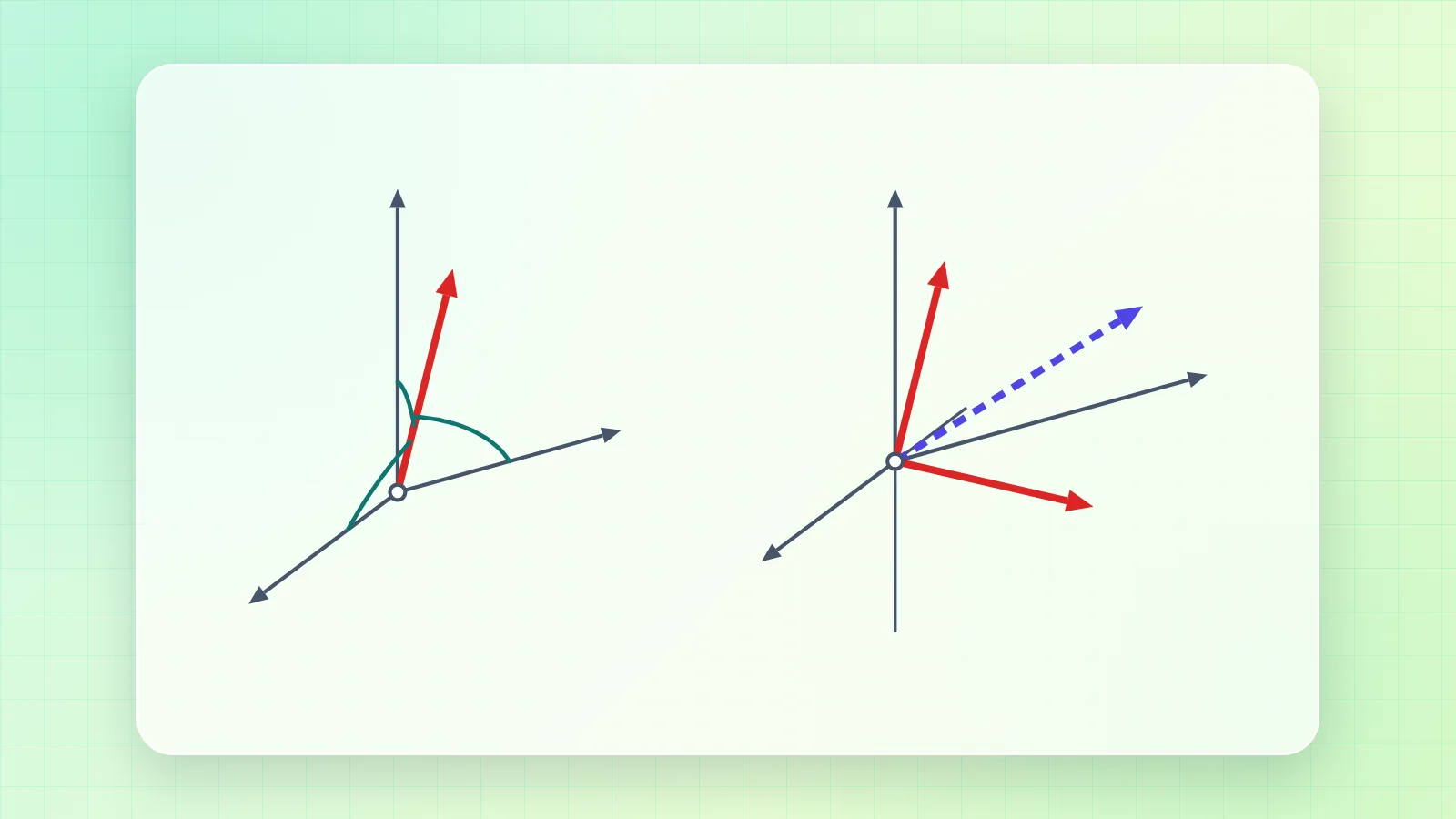
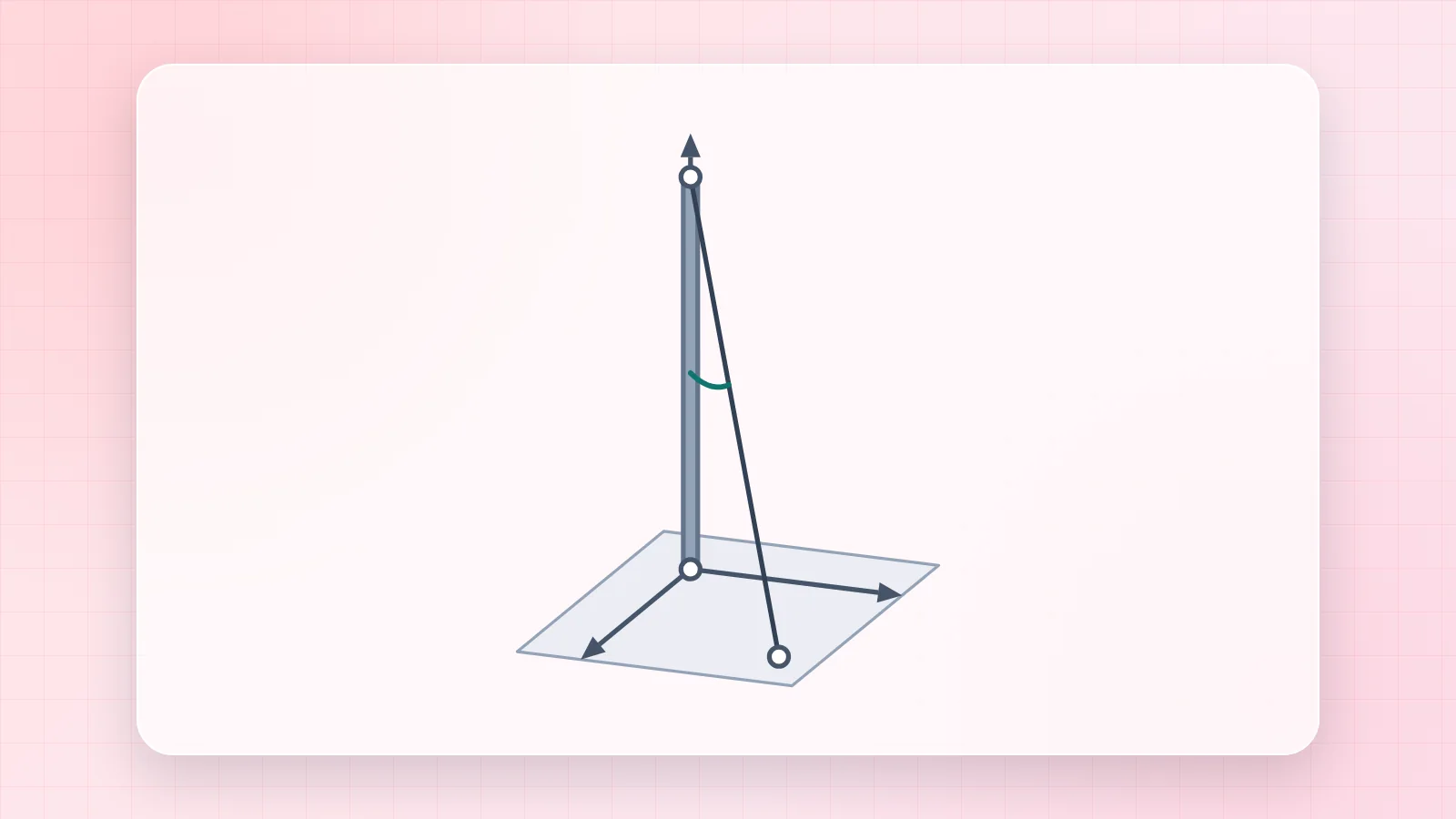
Dot Product: Angle Between Vectors and Projection of a Force
Use the dot product to find the angle between two lines and the parallel and perpendicular components of a force.
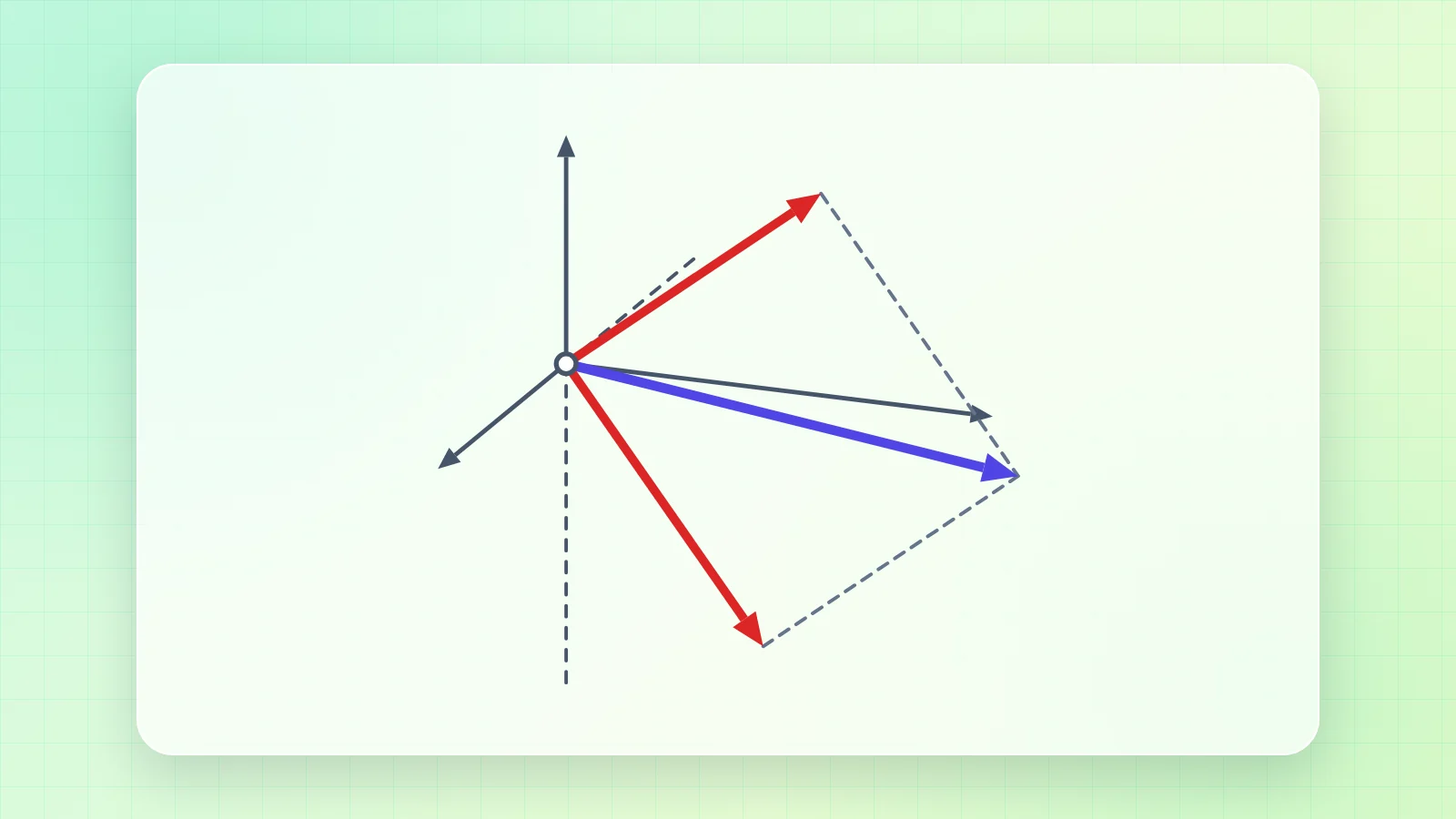
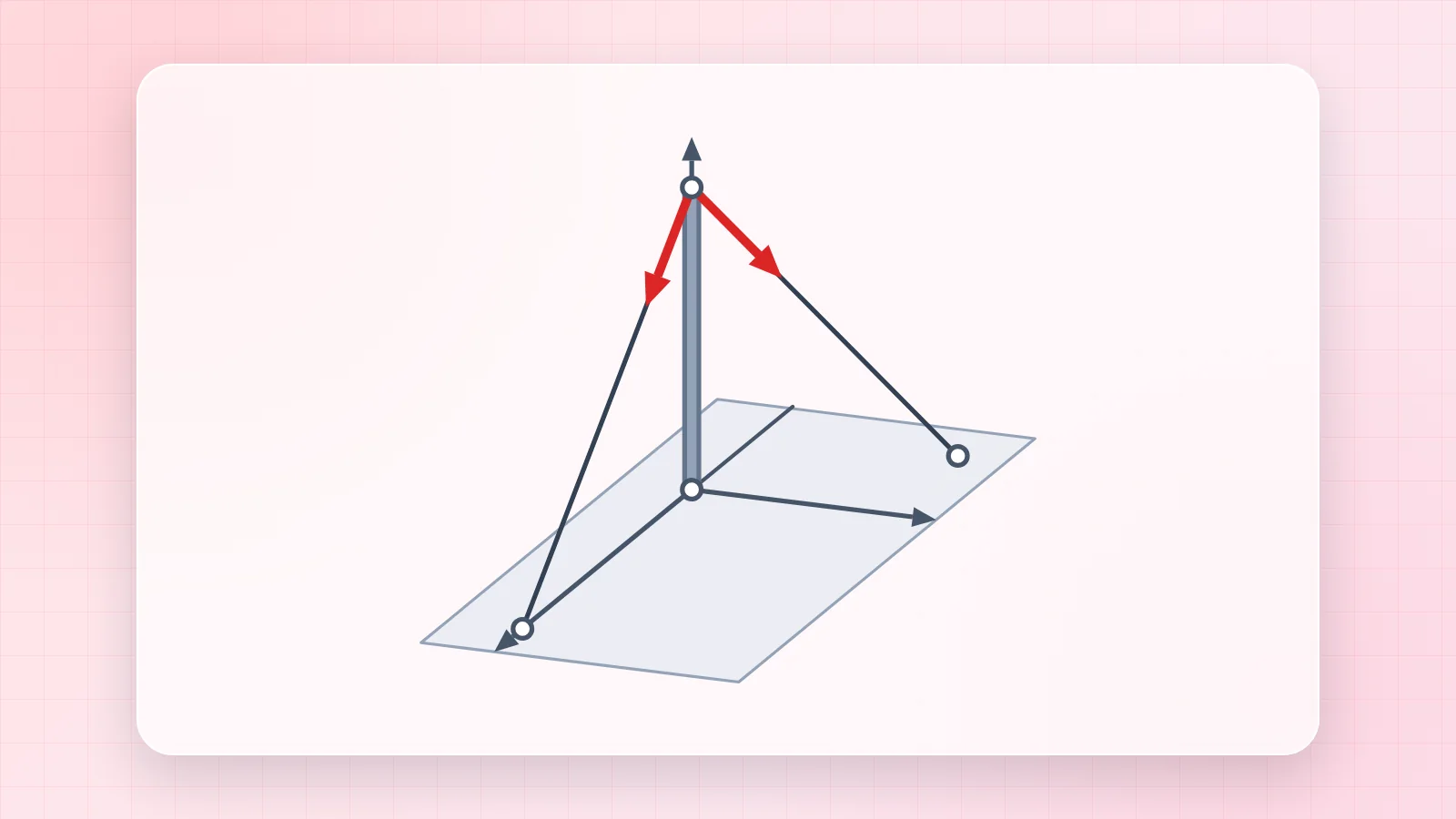
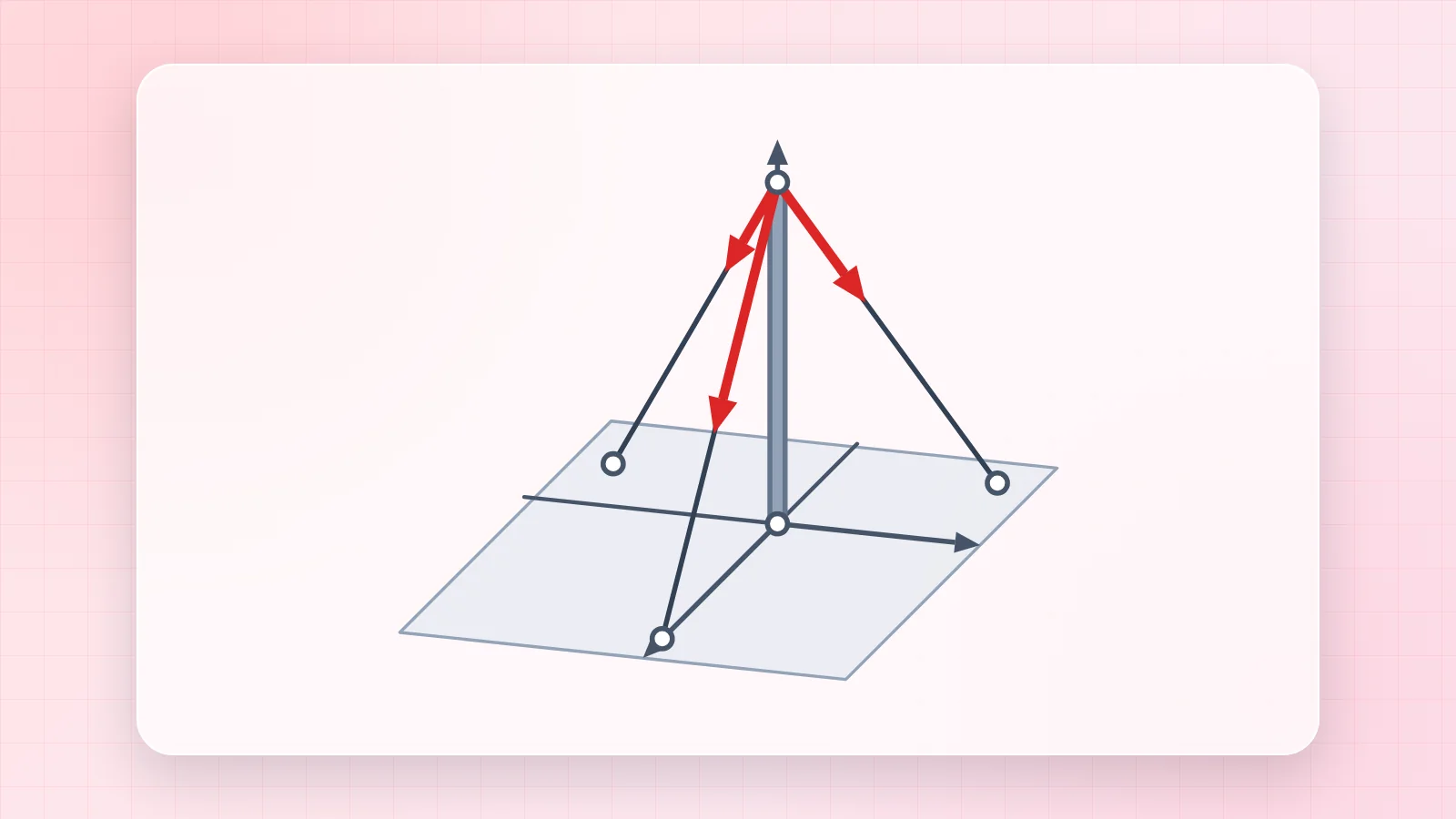
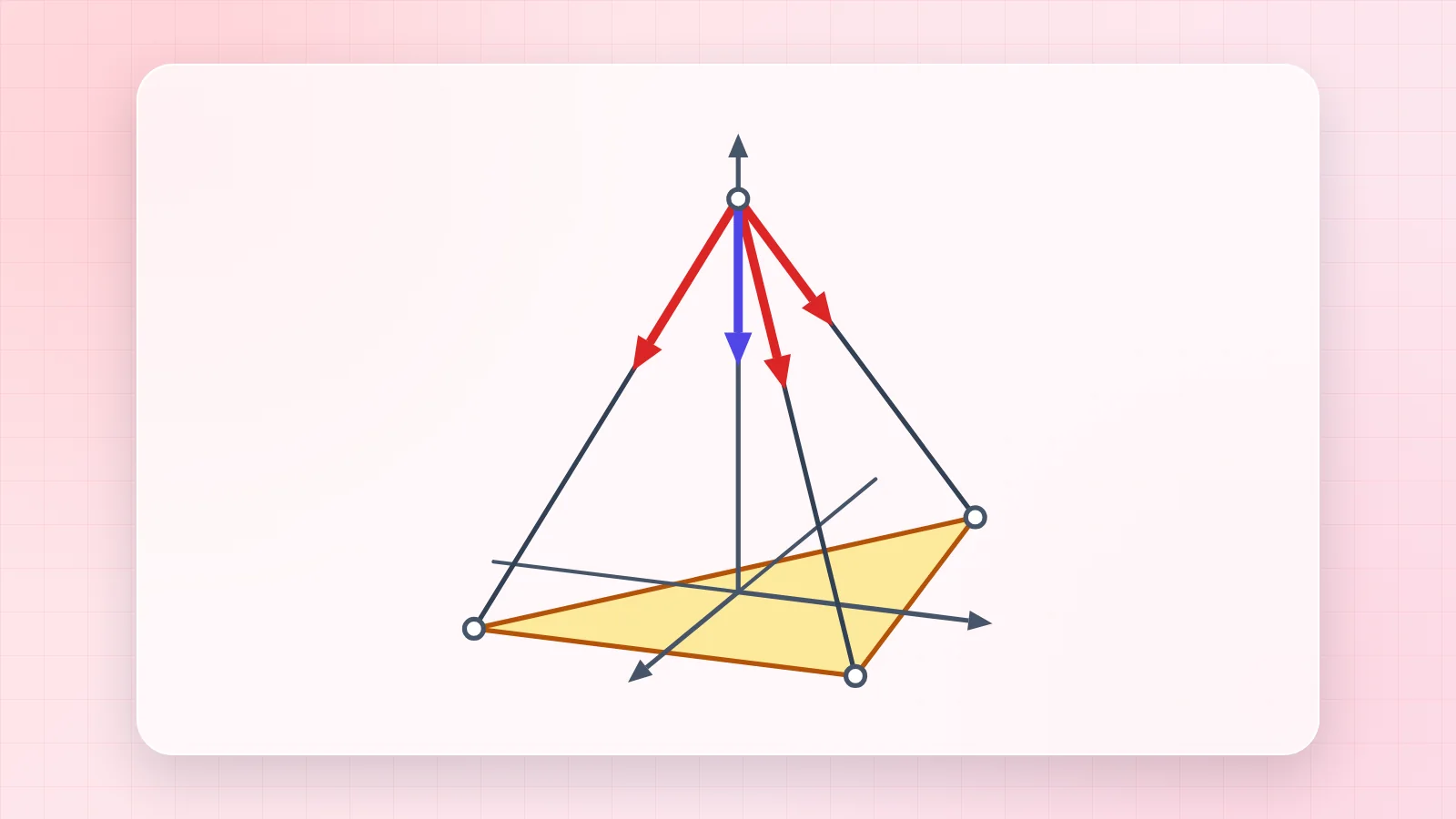
Resultant of Concurrent Forces in 3D
Add concurrent forces in space component by component and find the magnitude and direction angles of the resultant.